1. Why do so many students not have a desk?
In small student accommodations:
- the room serves multiple purposes
- space is limited
- the bed occupies most of the area
- adding a desk makes the room crowded
Many students therefore choose to study on their bed out of necessity, not preference.
2. Why doesn’t studying in a flatbed work?
Studying while lying down quickly causes:
- a loss of concentration
- poor posture
- back pain
- tilted neck
- increased mental fatigue
The body associates this position with rest, not intellectual work.
3. What posture promotes concentration in a small space?
To study effectively, you need:
- a slightly raised torso
- continuously supported back
- a head aligned with work supports
- a stable position that doesn’t slip
- minimal muscle tension
This posture helps the brain remain active.
4. How does a slight incline of the bed improve studying?
By slightly raising the head of the bed:
- the body leaves the “sleep” position
- the posture becomes more like a working position
- breathing remains dynamic
- postural fatigue decreases
- it’s easier to stay focused
The bed then becomes a true temporary study space.
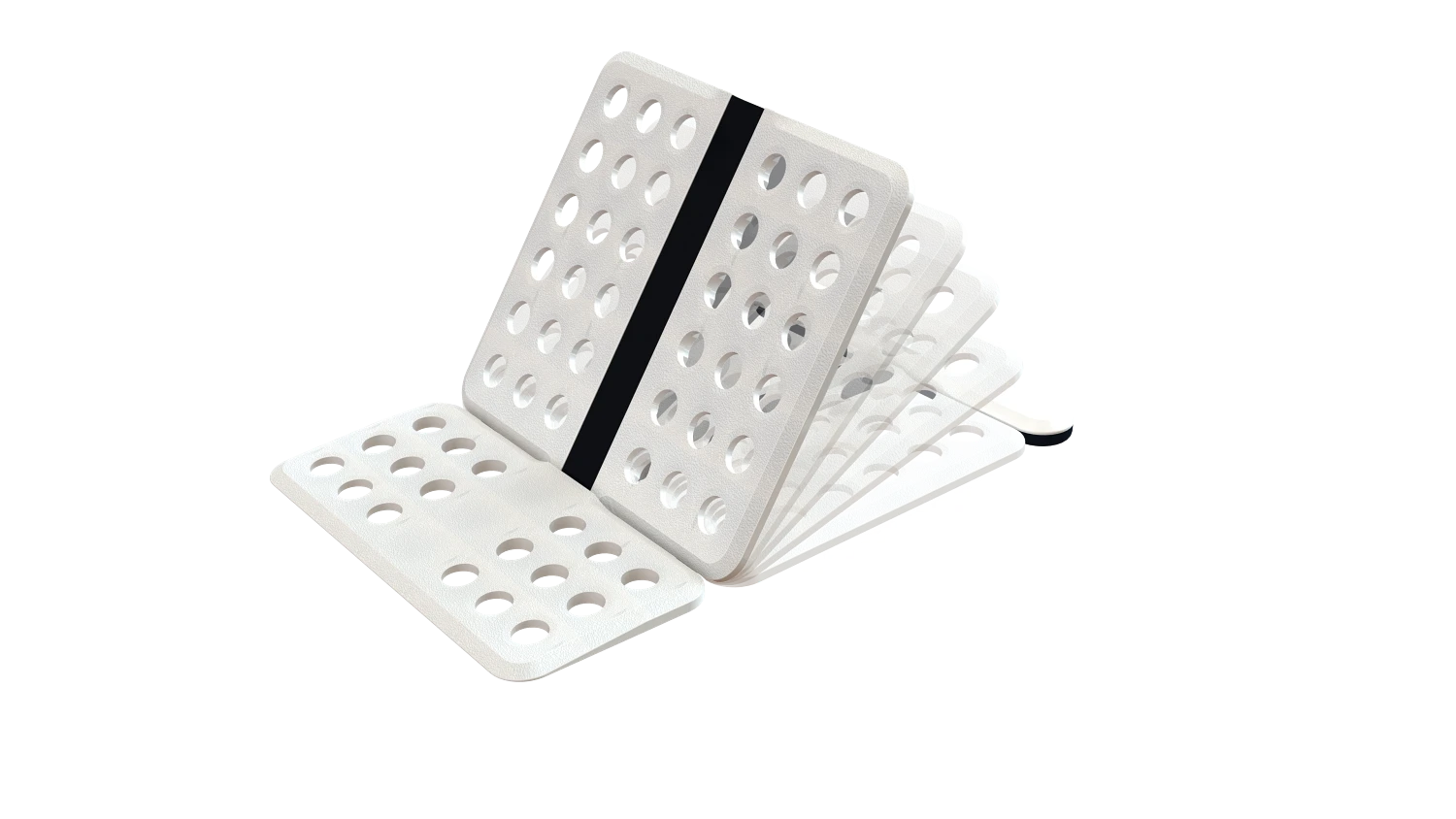
5. How does CosyLift help study without a desk?
CosyLift creates a stable incline of the mattress, allowing:
- to transform the bed into a study space
- to avoid stacking cushions
- to maintain consistent posture during revisions
- to study longer without discomfort
- to quickly switch back to rest mode
It’s an ideal solution for narrow rooms.
6. What angle is best for studying in bed?
An angle between 10 and 20 degrees is ideal for:
- reading courses
- working on a laptop
- writing or revising
- maintaining an active posture
This angle promotes concentration without rigidity.
7. Who is this solution particularly useful for?
It is particularly suitable for:
- students in residences
- shared accommodations
- student studios
- temporary housing
- rooms without desk space
When space is constrained, this approach becomes very practical.
FAQs
Q: Is it really possible to concentrate in bed?
Yes, if the posture is semi-seated and well-supported.
Q: Does this replace a real desk?
For short to medium study sessions, yes.
Q: Should I use a support for my laptop?
It’s recommended, but posture remains the basis of comfort.
Q: Is it useful for online courses as well?
Yes, the position is very suitable for distance learning.
Q: Is it easy to switch back to rest position after studying?
Yes, the bed returns to flat in a few seconds.