1. Why is sleep often disturbed after an operation?
During prolonged recovery, sleep can be affected by:
- physical discomfort
- difficulty finding a stable position
- waking due to position changes
- less fluid breathing
- accumulated fatigue
Even if the body needs rest, sleep is not always restorative.
2. Why does staying in bed for long complicate sleep?
Spending much time in bed can lead to:
- a feeling of stiffness
- muscle tension
- difficulty falling asleep comfortably
- frequent waking to reposition
Position becomes a determining factor in sleep quality.
3. What is the role of posture in sleep continuity?
An adapted posture allows:
- limiting micro-wakings
- reducing the need to readjust
- maintaining a comfortable position for several hours
- promoting deeper sleep
Without a stable posture, the body remains on alert constantly.
4. Why does a flat position often fragment sleep?
Sleeping completely flat can:
- increase discomfort over hours
- make position changes tiring
- disturb breathing
- cause involuntary waking
Over long recovery, these disturbances accumulate.
5. How does a slightly elevated position improve sleep?
A posture with the upper body slightly elevated allows:
- better distribution of support points
- relief of certain sensitive areas
- easier breathing
- reduced nocturnal waking
Sleep becomes more continuous and restorative.
6. Why is stability essential for good sleep?
For deep sleep, the body needs:
- a constant position
- support that does not collapse
- a reassuring environment
An unstable position prevents the relaxation necessary for sleep.
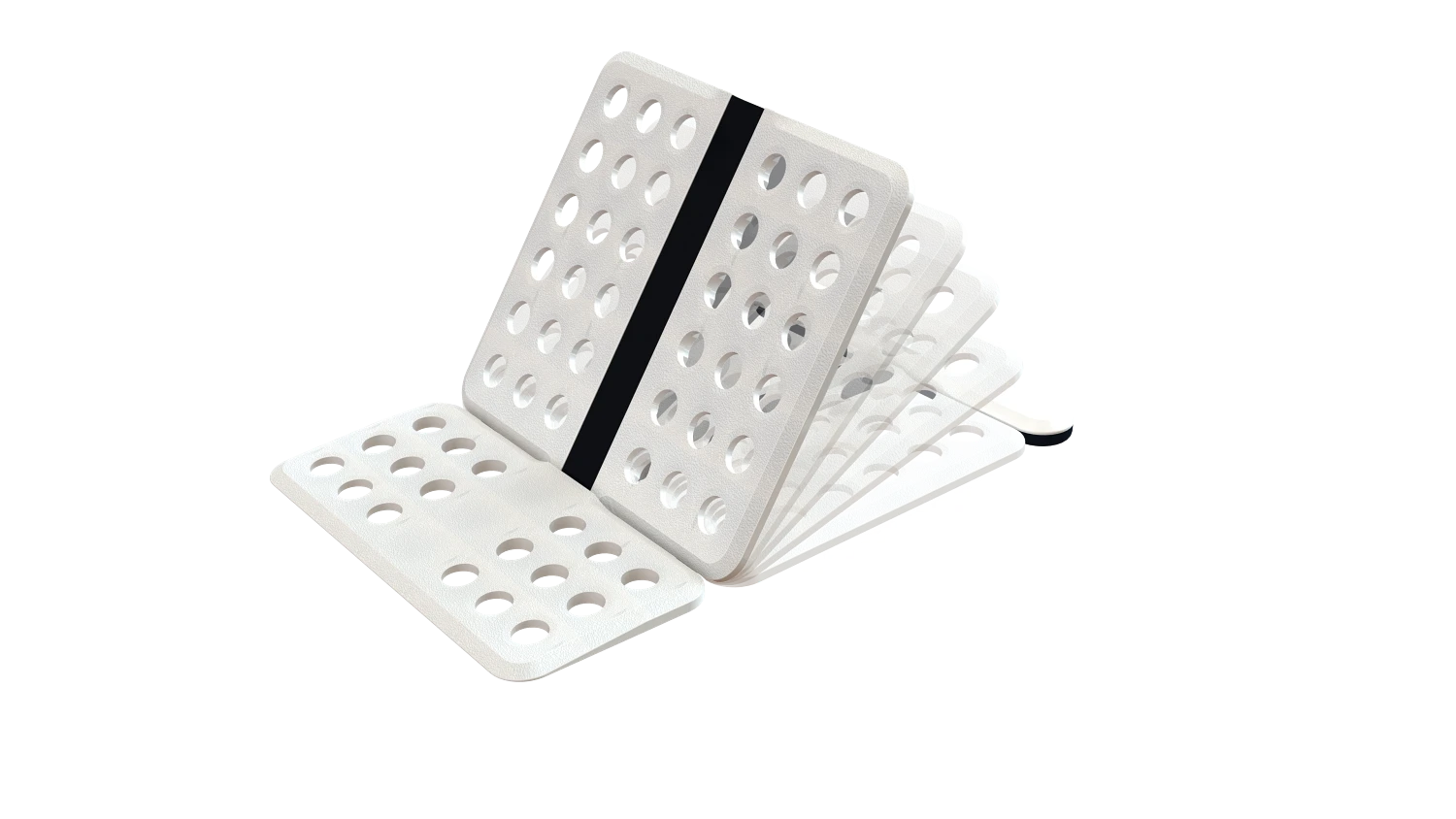
7. How does CosyLift help with better sleep during long recovery?
CosyLift allows the top of the mattress to be slightly elevated in a stable manner, which:
- promotes a comfortable sleep posture
- limits nocturnal position changes
- supports the torso without tension
- improves breathing during the night
- accompanies sleep over time
It’s a simple solution to achieve more restful nights during recovery.
FAQs
Q: Is it normal to sleep poorly after an operation?
Yes, especially when recovery lasts several weeks.
Q: Does posture really influence sleep quality?
Yes, it plays a central role in night comfort.
Q: Is a slightly elevated position compatible with deep sleep?
Yes, when it’s gentle and stable.
Q: Is it useful even if I take naps during the day?
Yes, comfort matters for all resting moments.
Q: Can the position be adjusted over the weeks?
Yes, posture can evolve with improved physical condition.