1. Why Do These Actions Become So Complicated After Surgery?
After surgery, several factors come into play:
- a decrease in muscle strength
- areas to protect
- temporarily reduced mobility
- an apprehension of movement
Simple actions can then seem burdensome or risky.
2. Why Does Getting Up from a Flat Position Require So Much Effort?
In a completely lying position:
- the body must exert significant effort to sit up
- the muscles are heavily engaged
- operated areas can be strained
- the movement is often abrupt
This can generate fatigue and discomfort.
3. Why Does an Intermediate Position Facilitate Movement?
A semi-sitting position allows:
- to reduce the angle to sit up
- to distribute the effort across multiple muscles
- better control of the movement
- to get up more gradually
The movement becomes smoother and more secure.
4. How Does Posture Influence Autonomy?
When sitting and getting up become easier:
- one depends less on the help of a loved one
- gains in confidence
- moves more willingly
- gets less tired
This autonomy directly contributes to well-being during recovery.
5. Why Are Improvised Solutions Rarely Ideal?
Many people attempt:
- to lift themselves with their arms
- to use unstable cushions
- to force the movement
These solutions can:
- increase the effort
- create unnecessary tensions
- lack stability
- heighten apprehension
Posture remains the key factor.
6. How Does a Slightly Elevated Position Help Concretely?
By slightly raising the upper body:
- the transition from lying to sitting is eased
- the effort is reduced
- movements are more controlled
- the body is better supported
Each transition becomes simpler.
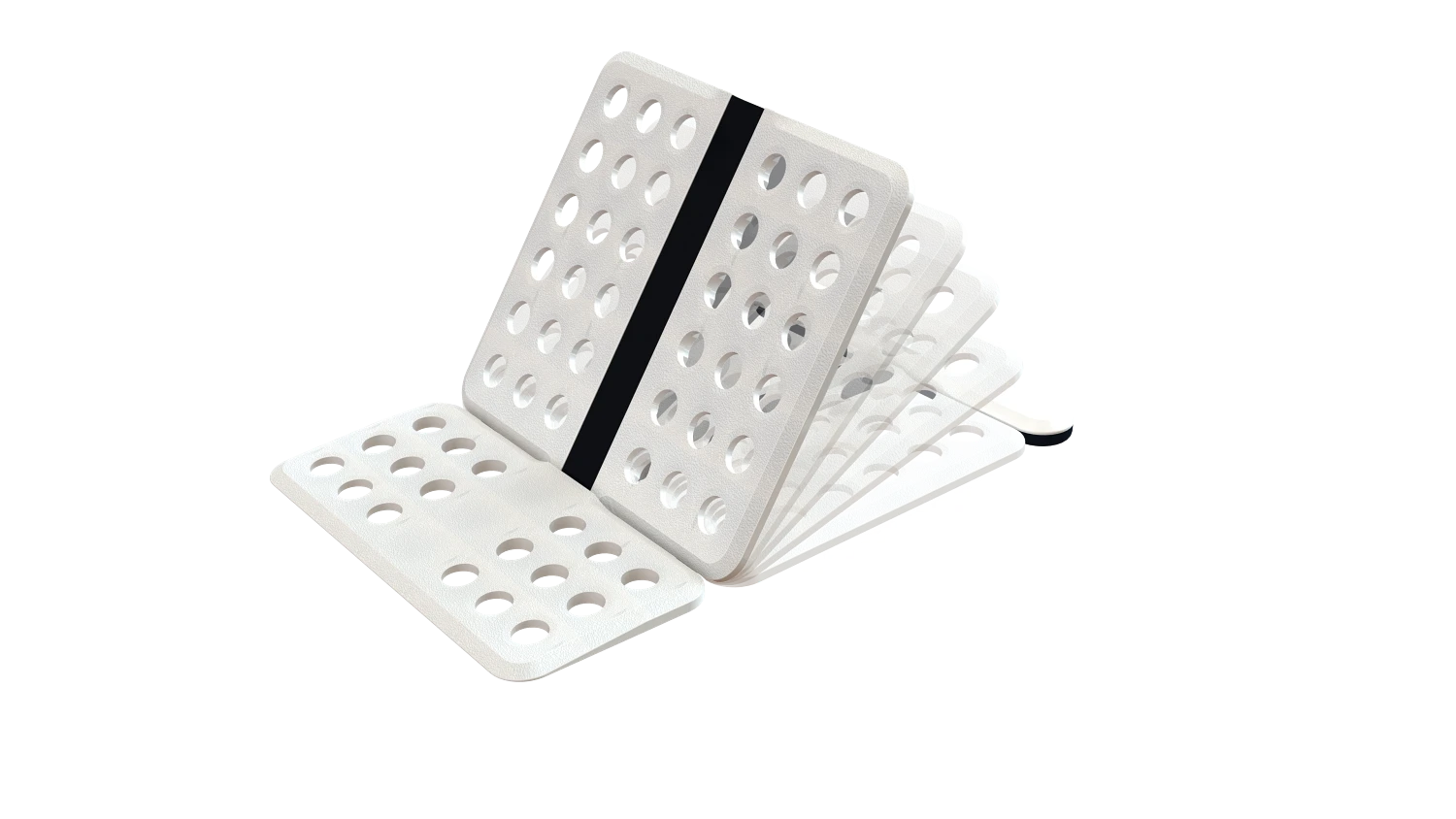
7. How Does CosyLift Facilitate Daily Movements After Surgery?
CosyLift gradually raises the top of the mattress, which:
- creates a stable intermediate position
- reduces the effort to sit up
- secures the transition to standing
- supports the torso evenly
- accompanies the recovery progression
It is a practical support for regaining autonomy.
FAQs
Q: Is it normal to be afraid to get up after surgery?
Yes, apprehension is common and related to the body’s temporary fragility.
Q: Is a semi-sitting position safer?
Yes, it allows for more gradual and controlled movements.
Q: Is it useful even if I’m helped by a loved one?
Yes, it reduces the effort for both people.
Q: Can the position be adjusted day by day?
Yes, the posture can progress with recovery.
Q: Is it a temporary solution?
Yes, it is ideal for the convalescence phase.