1. Why Does the Body Tire More Quickly After Surgery?
After surgery, the body:
- dedicates energy to recovery
- has fewer physical reserves
- compensates for certain limitations
- reacts more strongly to repeated efforts
Simple movements can become very energy-consuming.
2. What Efforts Are Often Underestimated During Recovery?
Efforts related to:
- straightening up multiple times a day
- adjusting position in bed
- sitting without support
- turning to find a comfortable position
Combined, these efforts can exhaust the body.
3. Why Does Reducing Effort Help in Better Recovery?
By reducing unnecessary effort:
- fatigue accumulates less
- the body can focus on healing
- muscle tension decreases
- rest becomes more effective
Less effort often means more recovery.
4. How Does Posture Directly Influence Physical Effort?
A poorly adapted posture forces the body to:
- maintain itself actively
- compensate for lack of support
- repeat micro-movements
Conversely, supported posture allows the body to relax.
5. Why Does a Slightly Elevated Position Reduce Efforts?
With the upper body slightly elevated:
- muscles are less strained
- position is more stable
- transitions are smoother
- the body remains supported without tension
Rest becomes truly passive.
6. Why Is Stability Essential to Save Energy?
Unstable support forces:
- constant readjustment
- muscle contraction
- remaining vigilant
Stability allows the body to fully relax, reducing energy expenditure.
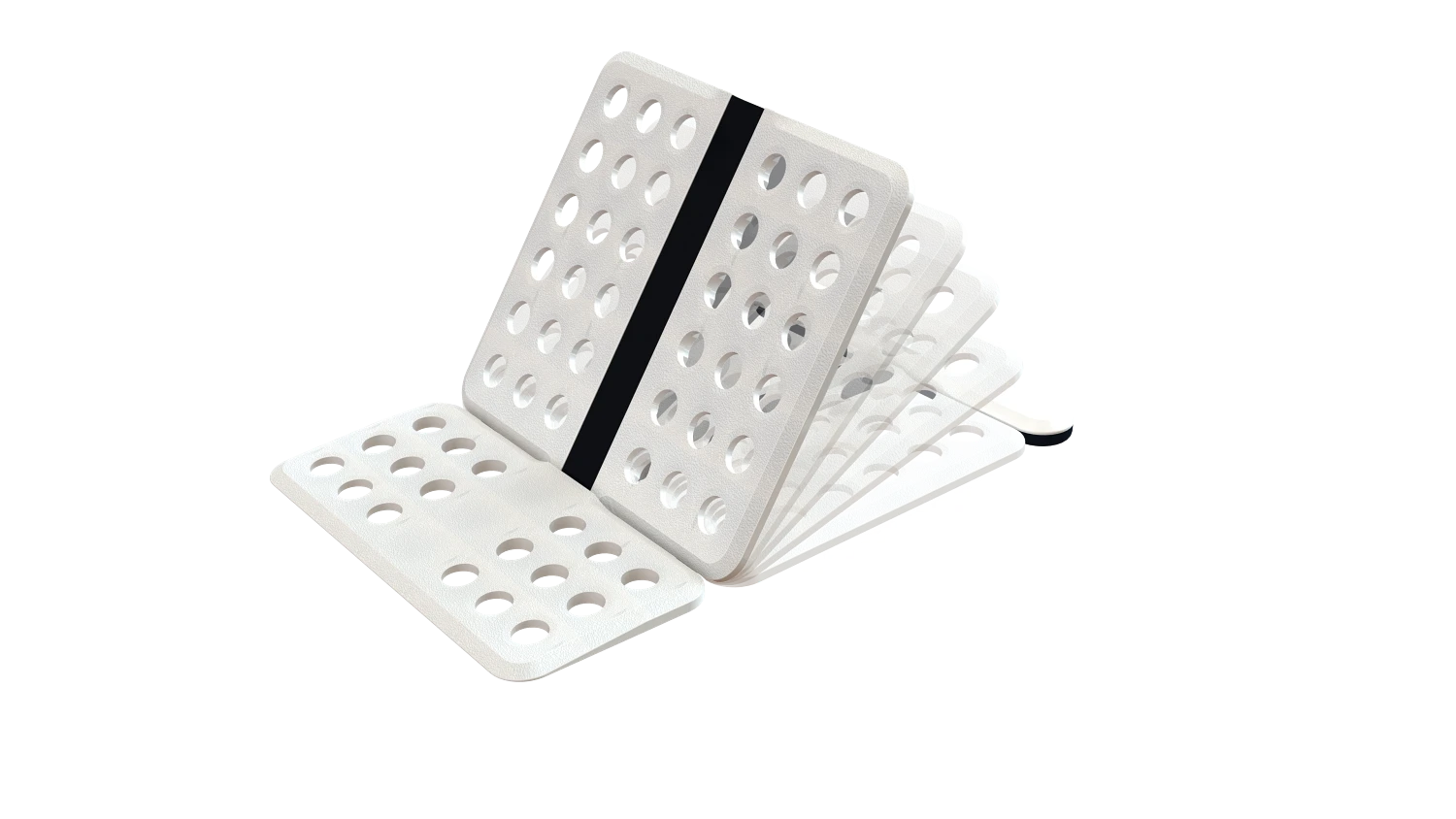
7. How Does CosyLift Help Reduce Physical Effort Daily?
CosyLift slightly elevates the top of the mattress stably, which:
- limits efforts to stay seated
- facilitates position transitions
- supports the torso without muscle contraction
- avoids repeated adjustments
- conserves energy for recovery
It’s a discreet but continuous aid during recovery.
FAQs
Q: Is it normal to tire quickly after surgery?
Yes, it’s common during the recovery phase.
Q: Does reducing effort really help recover more comfortably?
Yes, it allows the body to rest better.
Q: Does supported posture reduce fatigue?
Yes, by limiting unnecessary muscle contractions.
Q: Is it useful even if I stay in bed a lot?
Yes, especially because repetitive efforts fatigue more.
Q: Is this solution suitable for temporary recovery?
Yes, it is ideal during the entire convalescence phase.