Slightly elevating the upper body is one of the simplest and most natural ways to reduce reflux during pregnancy. It aids digestion, limits heartburn, and improves sleep quality without resorting to medication.
1. Why does reflux worsen during pregnancy?
Reflux is very common during pregnancy, especially in the second and third trimesters.
Several reasons explain this:
- the stomach is compressed by the growing baby
- digestion slows down
- the hormone progesterone relaxes muscles, including those that prevent acid from rising
Result: heartburn often occurs in the evening or at night when you lie down.
2. Does lying down worsen reflux?
Yes, sometimes. In a lying position, it is easier for stomach acid to rise towards the esophagus.
That’s why many pregnant women feel a peak of discomfort just before falling asleep or during nighttime awakenings.
A slight inclination of the upper body can reduce this phenomenon.
3. How can bed elevation help?
When your torso is elevated, gravity works in your favor.
It helps keep the acid in the stomach and reduces the burning sensation or “rising” feeling.
A gentle incline is often enough to:
- reduce the intensity of reflux
- lessen nighttime awakenings
- ease the sensation of pressure in the upper abdomen
- make breathing more comfortable
Many expectant mothers report that it immediately changes the quality of their sleep.
4. Why not just add a big pillow?
Because a pillow:
- flattens out
- slides
- changes your posture
- sometimes creates a too steep angle
Elevating the mattress supports you uniformly, without creating pressure points or uncomfortable curves.
5. How can CosyLift help pregnant women?
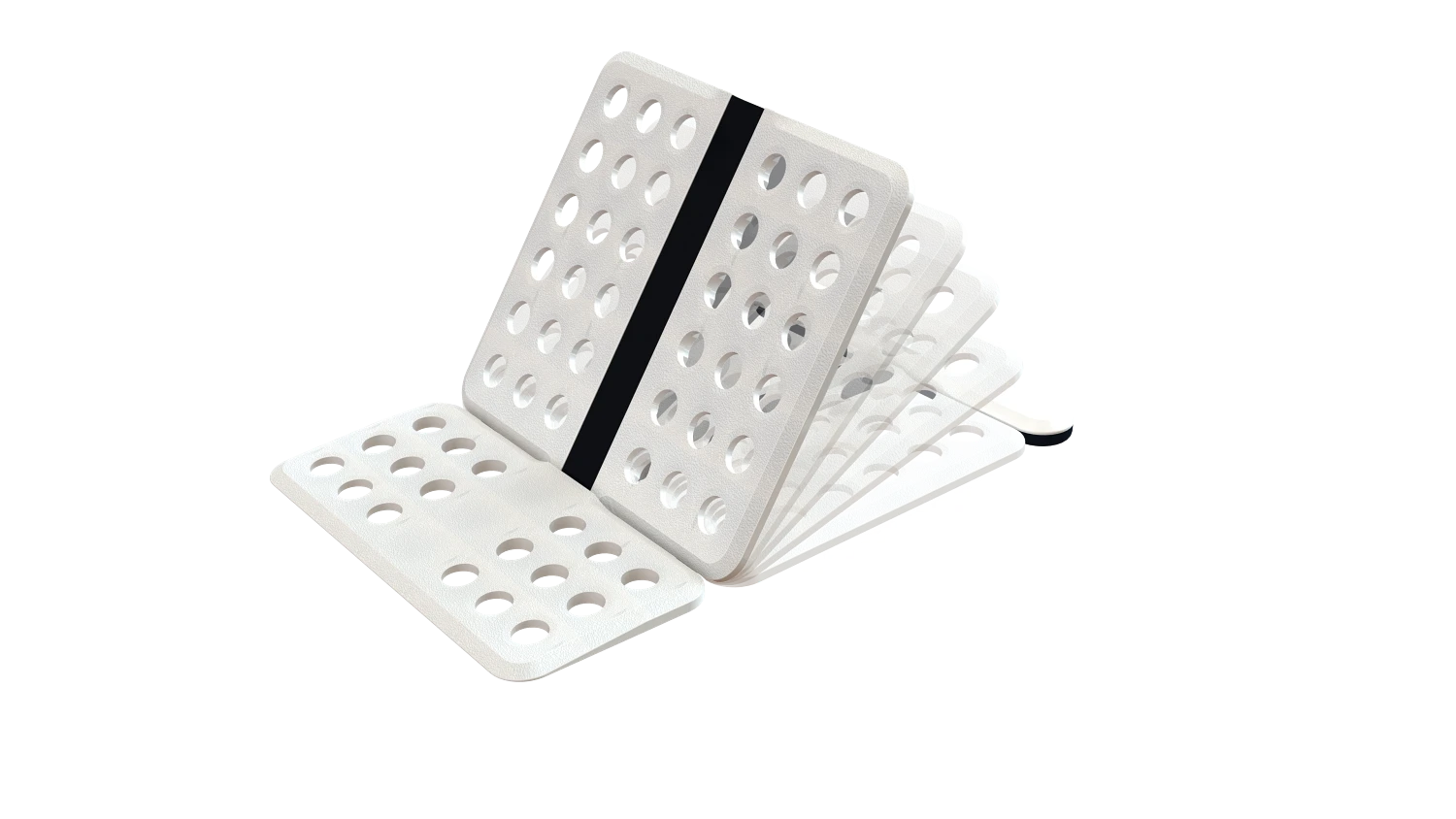
CosyLift is placed under the mattress to create a regular and stable incline.
For pregnant women, it offers several benefits:
- simple, effortless installation
- adjustable incline depending on the time (evening, night, rest)
- uniform support of the upper body
- fewer awakenings related to discomfort or heartburn
It’s a non-medicinal way to reduce reflux and sleep better.
6. What angle is ideal during pregnancy?
Most women find that an angle between 10 and 15 degrees is enough to feel a noticeable improvement.
This provides relief without making you feel like you’re sitting upright.
You can adjust according to:
- the intensity of reflux
- the time of day
- your personal comfort
7. Is this position safe for pregnancy?
Yes. Being slightly inclined is a natural, safe position and is often recommended by midwives and doctors to manage reflux.
It doesn’t prevent changing positions during the night but generally improves falling asleep and rest periods.
FAQs
Q: Can sleeping elevated replace a medical treatment?
No. It relieves but doesn’t replace a prescribed treatment. Talk to your doctor if reflux is very frequent or painful.
Q: Can I just elevate my head with a pillow?
It’s possible, but generally less effective than inclining the entire mattress.
Q: Does the incline bother the partner?
CosyLift can be used on only one side of the bed if needed.
Q: Is it useful even after giving birth?
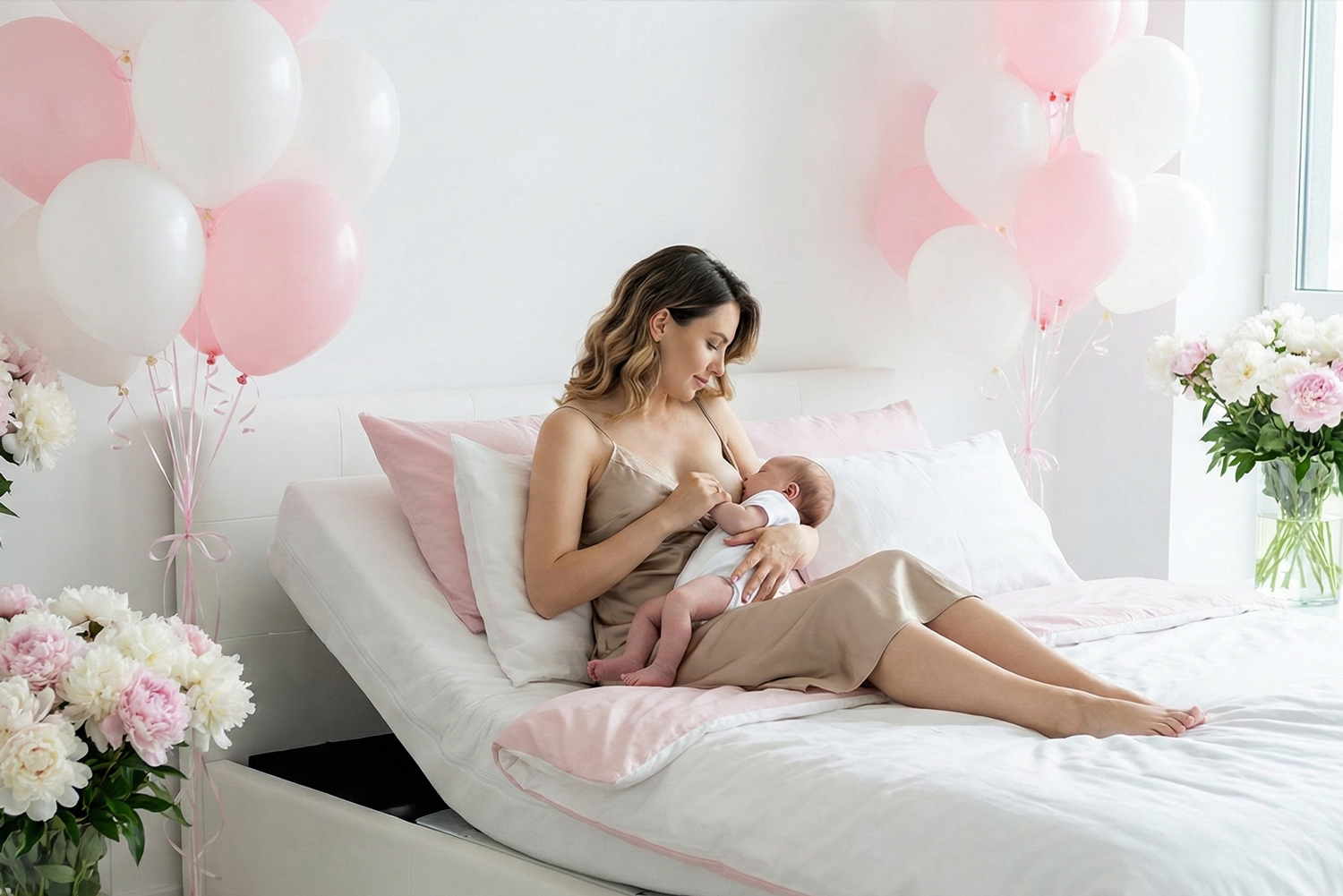
Yes. Many new mothers continue to sleep slightly elevated to help with postpartum reflux or nighttime breastfeeding.
Q: Should I use a pregnancy pillow as well?
You can, but mattress elevation remains the base of comfort.