1. Who are the caregivers during convalescence?
A caregiver can be:
- a spouse
- a family member
- a relative
- sometimes a friend
Often, this role comes without preparation, adding to an already busy daily life.
2. Why can everyday help become exhausting?
During recovery, the caregiver often has to:
- help sit up
- support during position changes
- bring meals
- stay attentive to needs
These actions, repeated several times a day, can become tiring.
3. Why does bed posture directly influence the caregiver’s role?
When the recovering person is poorly positioned:
- they require more help to sit up
- movements are harder to assist with
- the caregiver must exert more physical effort
An adapted posture reduces dependency and demands.
4. How does a slightly elevated position relieve the caregiver?
A semi-sitting posture allows the person to:
- sit up more easily
- remain seated without constant support
- participate more in their movements
The caregiver no longer has to carry or compensate as much.
5. Why is stability important for both parties?
A stable position:
- secures movements
- reduces sudden actions
- limits the risk of false moves
- reassures both the caregiver and the person being cared for
Stability creates a calmer environment.
6. How to improve the caregiver-caree relationship through autonomy?
When the person regains some autonomy:
- interactions become less focused on help
- communication is more peaceful
- mental load decreases
Facilitating autonomy improves daily life for both sides.
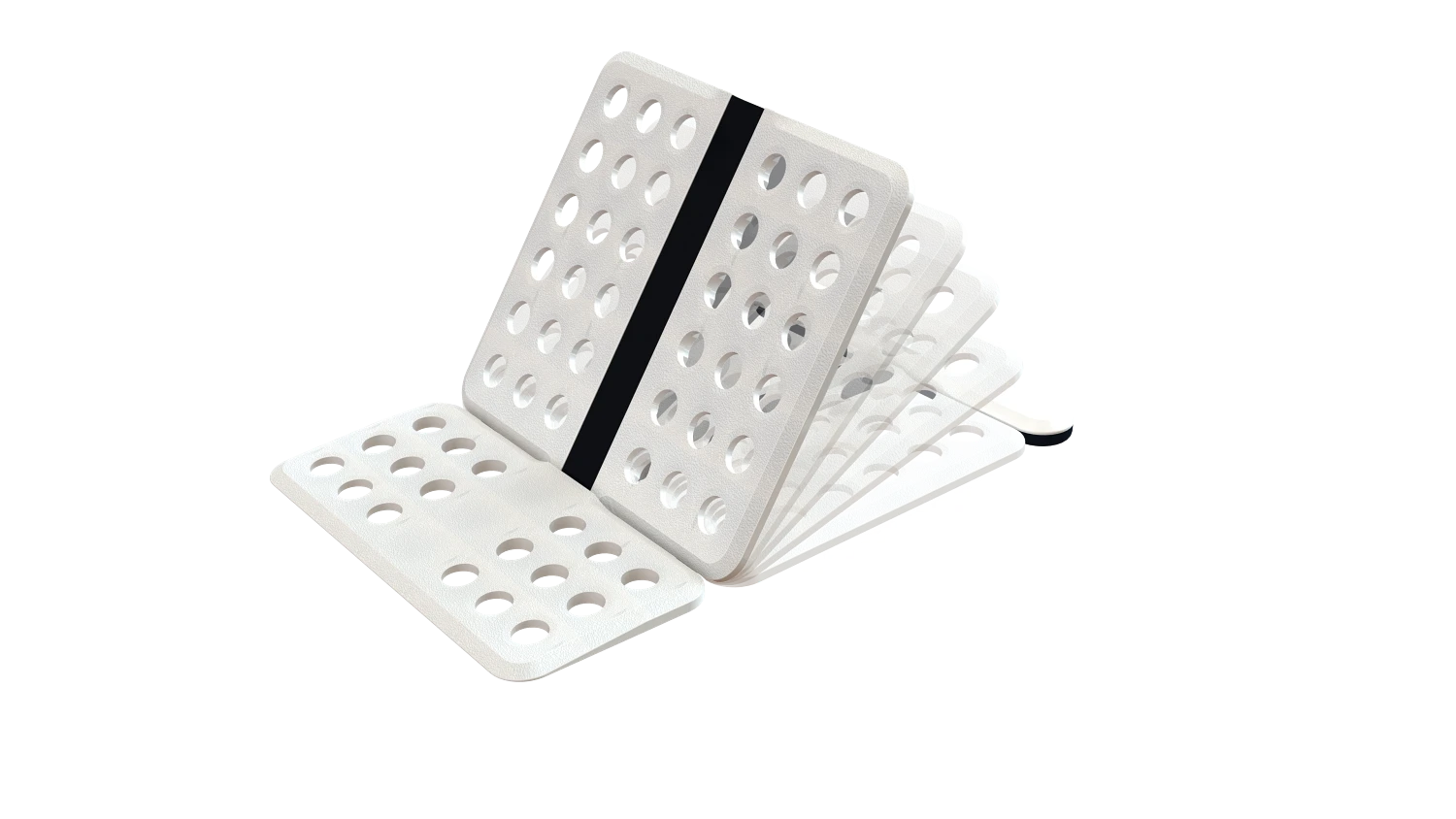
7. How does CosyLift concretely help caregivers?
CosyLift allows for a slight, stable elevation of the mattress, which:
- reduces the effort needed to help sit up
- facilitates transfers and position changes
- enables the person being cared for to do more on their own
- decreases physical fatigue for the caregiver
- makes support more seamless
It’s an indirect but valuable aid for loved ones.
FAQs
Q: Is it normal for caregivers to tire quickly?
Yes, the role of a caregiver is physically and mentally demanding.
Q: Can an adapted posture truly reduce the help needed?
Yes, especially for simple daily tasks.
Q: Is it useful even if the caregiver is constantly present?
Yes, it reduces repeated effort and mental load.
Q: Does it improve the safety of movements?
Yes, a stable posture limits the risk of false moves.
Q: Is it a temporary solution?
Yes, it is ideal throughout the recovery phase.