1. Why Must a Single Room Do It All in Small Homes?
In small apartments, there is often no clear separation between:
- the bedroom
- the living room
- the workspace
The same space is used for sleeping at night, working during the day, and relaxing in the evening.
The challenge is not space itself, but the transition between uses.
2. The Real Problem: One Room, but Only One Configuration
Many small homes are designed around a single static configuration.
Result:
- working on the bed flat
- relaxing in an uncomfortable posture
- eating or watching a screen without real back support
- the room doesn’t adapt to the time of day
This lack of flexibility creates fatigue and discomfort.
3. Why Is the Bed Key in a Multifunctional Room?
In a small space, the bed is often:
- the largest piece of furniture
- the most central visually
- the one occupying the most surface
Rather than fighting this, it is more effective to evolve the bed according to use.
4. How Does Bed Inclination Allow for Functional Change?
By slightly raising the head of the bed:
- it becomes a temporary workspace
- it transforms into a relaxation area
- it replaces a sofa or armchair
- it allows for long sitting without fatigue
When the bed goes back flat, the space becomes a bedroom again.
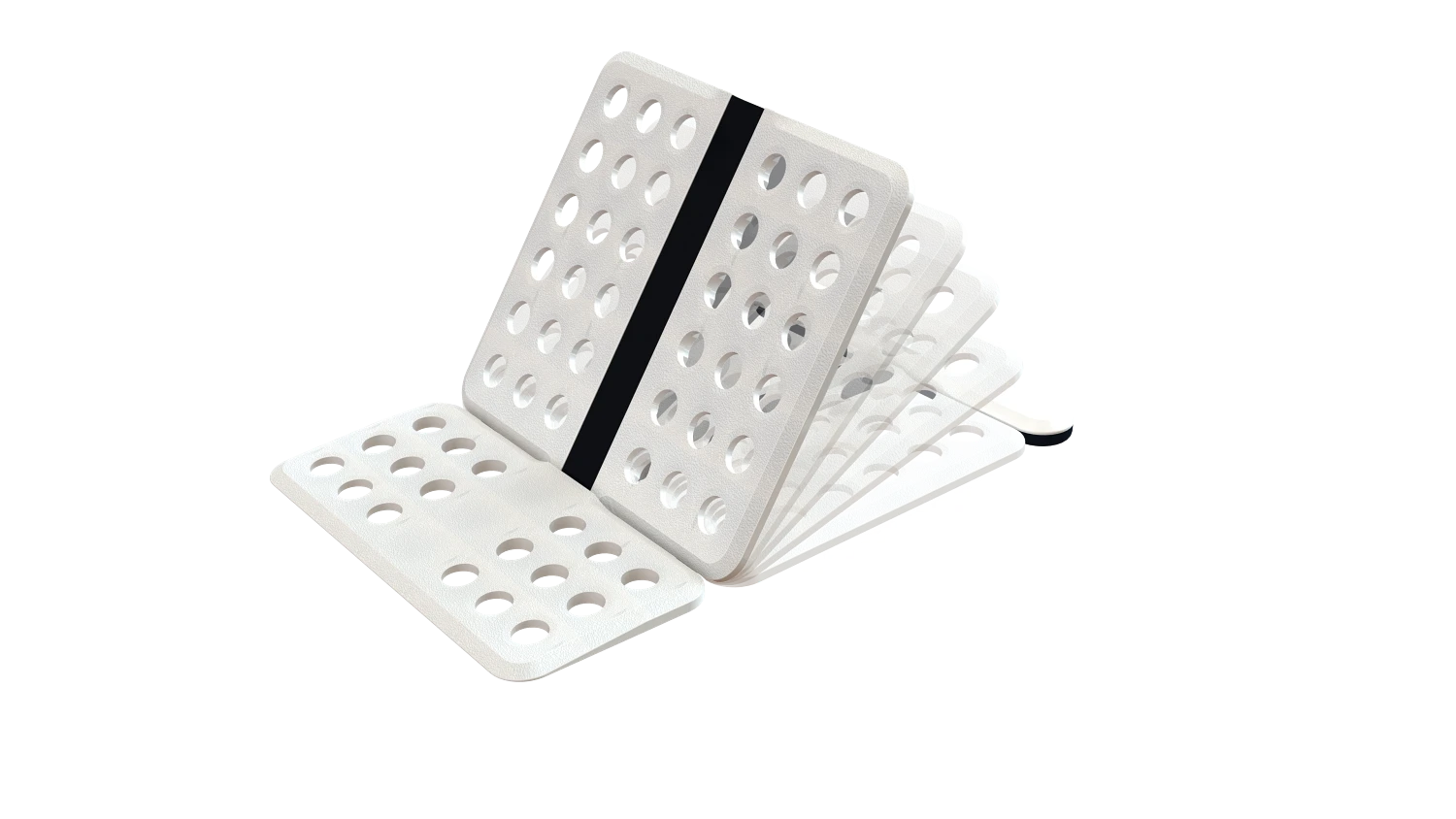
5. How Does CosyLift Help Structure a Single Room?
CosyLift allows a quick transition:
- from sleep mode
- to work mode
- to relaxation mode
Without moving furniture, without adding a desk or sofa.
The bed becomes a modular element that follows the rhythm of the day.
6. How to Organize the Day in a Small Space?
Many people use this logic:
- morning: bed slightly inclined for reading, messaging, or working
- daytime: bed used as the main seating
- evening: semi-seated position for relaxing
- night: bed completely flat
The room changes function without changing shape.
7. What Angle Works Best for Versatile Use?
An angle between 10 and 20 degrees is ideal for:
- occasional work
- relaxing
- screen watching
- reading
It offers a good compromise between comfort and flexibility.
FAQs
Q: Is it really possible to work from a bed?
Yes, for occasional or light work, a semi-seated posture is much more comfortable than a flat bed.
Q: Does it replace a desk?
In a small space, yes, for short or occasional tasks.
Q: Does this configuration cause less fatigue?
Yes, because the posture is supported and stable.
Q: Is it suitable for students?
Yes, but also for freelancers, young professionals, and people in temporary housing.
Q: Is it easy to return to a real sleep position?
Yes, the bed returns completely flat in a few seconds.