1. Why Do Small Spaces Lack “Zones”?
In a studio or single room:
- everything happens in the same place
- functions overlap
- there is no natural separation
- the space can feel confusing or tiring
The problem is not the size, but the lack of clear transitions between uses.
2. Why Are Fixed Furniture Not the Solution?
Adding furniture to create zones:
- quickly clutters the room
- reduces circulation
- makes the space rigid
- limits daily flexibility
In a small space, the best solution is not to add, but to transform.
3. The Bed as a Central Structuring Point
In most small apartments, the bed is:
- the most visible piece of furniture
- the one that occupies the most space
- present from morning to night
Rather than trying to hide it, it’s more effective to use it to structure the space.
4. How Does Bed Position Create “Invisible Zones”?
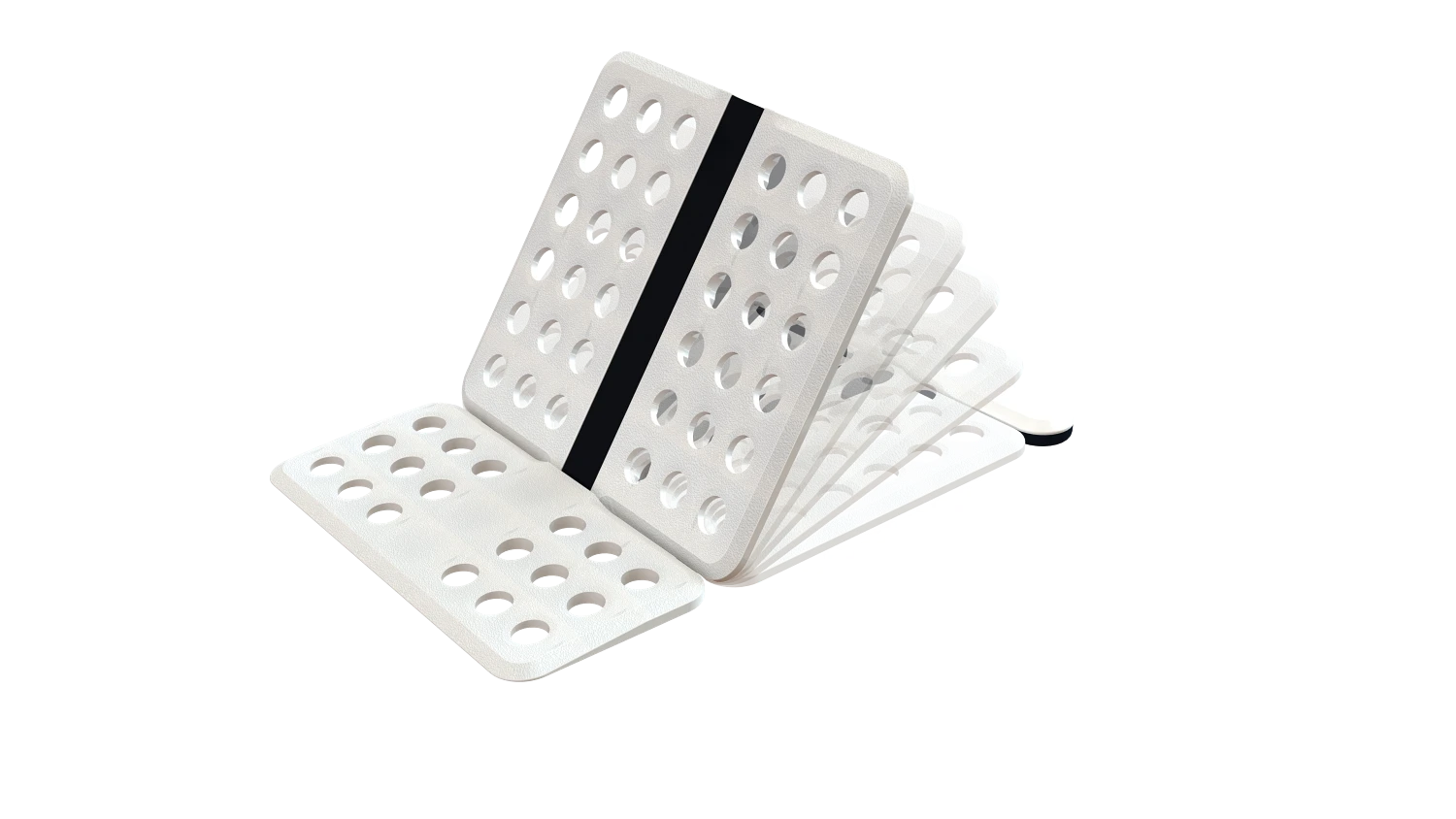
By changing the bed’s inclination:
- bed flat = night zone
- bed slightly raised = living room zone
- bed in semi-reclined position = work or relaxation zone
The function of the room changes without moving anything.
5. How Does CosyLift Help Create These Transitions?
CosyLift allows you to easily adjust the bed’s position, which:
- visually marks the change in use
- helps the body change rhythm
- structures the day effortlessly
- avoids separation furniture
- makes the space more readable and pleasant
The room becomes dynamic, not fixed.
6. Example of Zones in a Single Room
Here’s a simple and effective organization:
- morning/day: bed slightly inclined → work or reading zone
- end of day: semi-reclined position → relaxation/living room zone
- night: bed flat → sleep zone
Each zone exists without partitions, only thanks to the bed’s posture.
7. What Angle is the Most Versatile for Creating Zones?
An angle between 10 and 20 degrees allows:
- to clearly distinguish uses
- to support the back
- to avoid slumping
- to remain comfortable for a long time
It’s the ideal angle for transitioning from one zone to another.
FAQs
Q: Does it really replace partitions?
Yes, for daily use, the posture transition is often enough.
Q: Does the room appear larger?
Yes, because the space is better structured and less cluttered.
Q: Is it useful even in a very small studio?
Yes, the smaller the space, the more effective this approach is.
Q: Is it complicated to manage daily?
No, changing position is simple and quick.
Q: Does it also help to sleep better?
Yes, because the bed clearly returns to its “night” function once flat.