1. Why Does Breathing Become More Difficult During Pregnancy?
As the baby grows, the uterus moves up and presses against the diaphragm.
This limits breathing capacity, especially:
- when lying down
- after meals
- at the end of the day
- when tired
Many expectant mothers feel shortness of breath, tightness, or difficulty finding a position to breathe freely.
2. Why Does a Completely Lying Position Often Worsen the Feeling of Breathlessness?
On the back, the diaphragm is more compressed.
This can lead to:
- rapid breathlessness
- shallow breathing
- a sensation of “chest tightness”
- discomfort preventing relaxation
The further along the pregnancy, the more lying down can become tricky.
3. How Does a Slight Incline of the Mattress Help with Better Breathing?
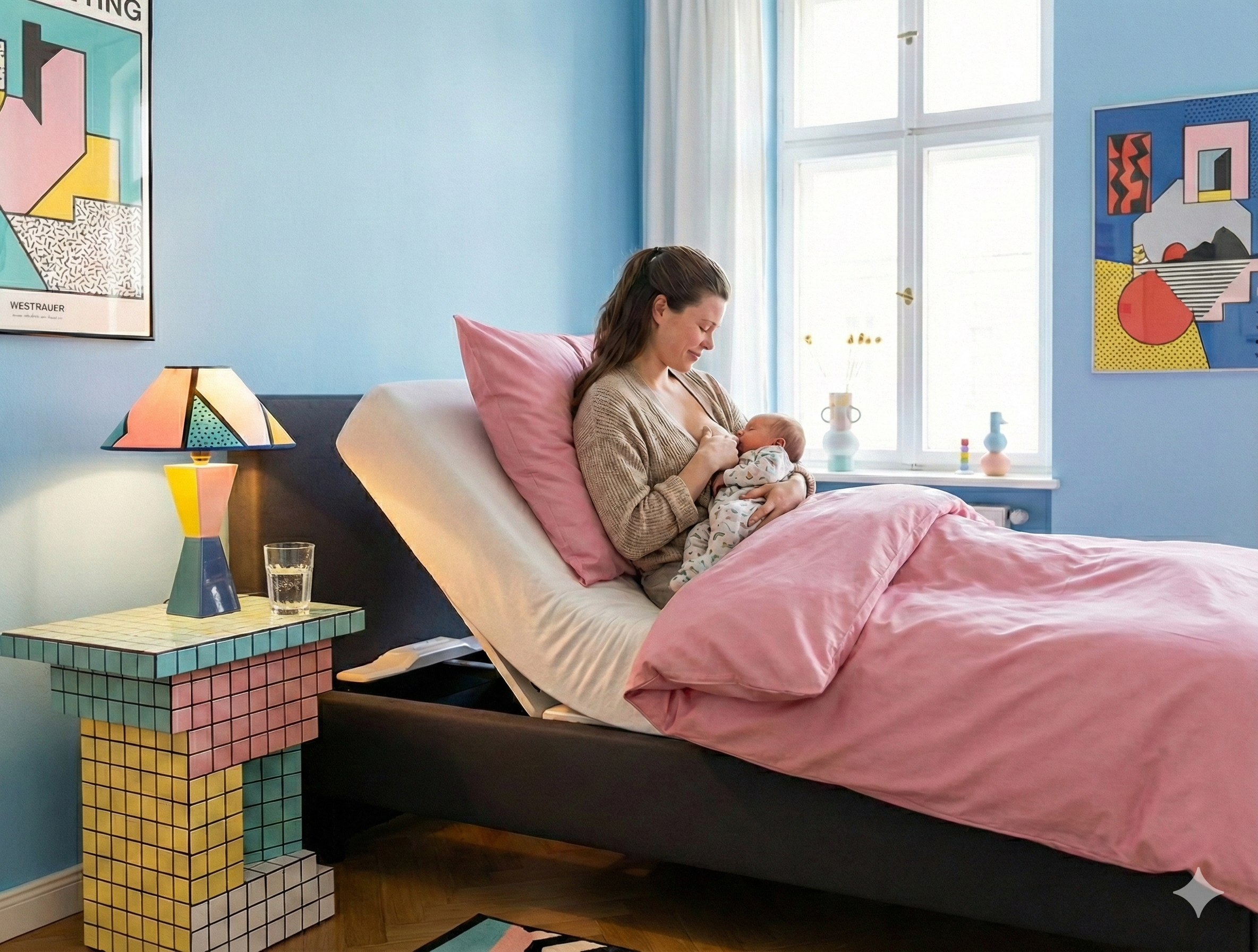
By gently raising the upper body:
- pressure on the diaphragm decreases
- lungs have more space to expand
- breathing becomes deeper
- the chest naturally opens
- the back is supported, aiding relaxation
This simple change can transform rest or sleep comfort.
4. What Angle is Ideal for Facilitating Breathing?
Most expectant mothers find an angle between 10 and 20 degrees sufficient for a noticeable improvement.
This angle:
- reduces abdominal compression
- allows for broader breathing
- avoids the feeling of “lack of air”
- remains comfortable for several hours
Sitting is not necessary: a gentle incline is more than enough.
5. How Does CosyLift Improve Breathing Comfort?
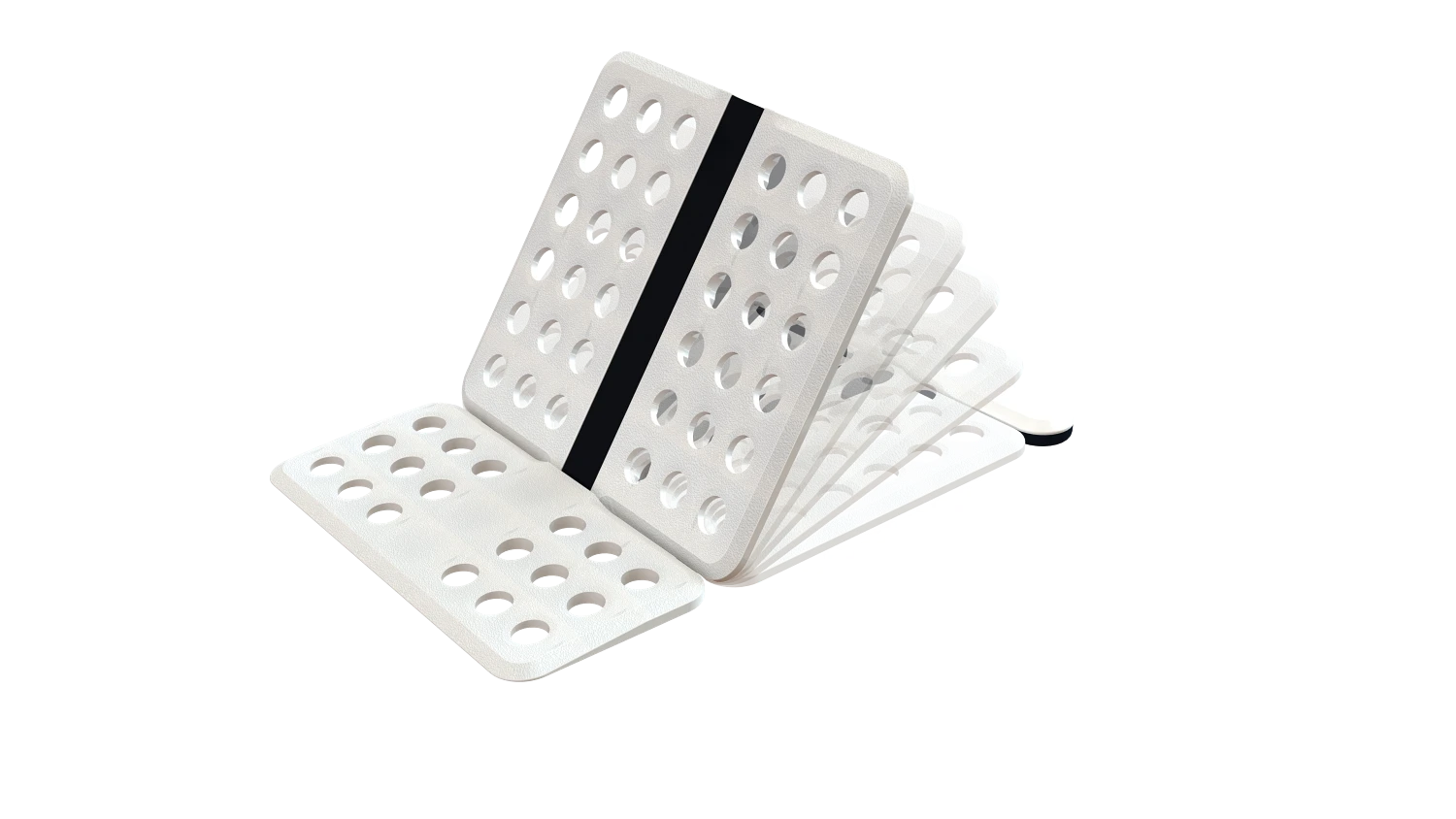
CosyLift elevates the mattress to create a uniform and stable incline.
This allows for:
- immediately finding a comfortable breathing position
- reducing breathlessness at bedtime
- facilitating relaxation before sleep
- reducing awakenings due to shortness of breath
- maintaining a stable posture even when turning
Stability is essential for respiratory muscles to relax.
6. Is It Useful Outside of Nighttime as Well?
Yes, absolutely.
Expectant mothers experiencing breathlessness during the day often find that a gentle incline:
- facilitates rest
- makes reading or working in bed more pleasant
- reduces the feeling of compression
- improves digestion, which also helps with breathing
It is a versatile posture, suitable for moments of fatigue.
7. Does Better Breathing Really Aid Sleep?
Yes.
When breathing becomes smoother:
- falling asleep is easier
- sleep is deeper
- awakenings due to discomfort decrease
- chest and back tension relax
Good breathing is one of the keys to rest during pregnancy.
FAQs
Q: Is it normal to have trouble breathing late in pregnancy?
Yes, it is very common. A gentle incline relieves most discomforts.
Q: On the side, does the incline help too?
Yes, it reduces pressure on the diaphragm even in a lateral position.
Q: Is it useful if I have reflux and breathlessness?
Yes, both often improve with the same posture.
Q: Should I use extra pillows?
You can, but the mattress support is the basis of respiratory comfort.
Q: Can this replace medical advice?
No. If breathlessness is sudden or intense, it is important to speak to a healthcare professional.