1. Why can breathing become more difficult at night?
During sleep:
- muscles relax
- breathing becomes slower
- airways are more sensitive
- body position is maintained for a long time
These factors can make breathing less smooth, especially for sensitive individuals.
2. What is the link between reflux and nighttime breathing?
Nocturnal reflux can:
- irritate the throat
- cause a feeling of respiratory discomfort
- trigger a nighttime cough
- intensify shallow breathing
Even without marked heartburn, digestive discomfort can influence breathing.
3. Why can sleeping flat exacerbate breathing difficulties?
Sleeping completely flat can lead to:
- a feeling of a “compressed” chest
- accumulation of secretions
- noisier breathing
- discomfort in case of asthma or allergies
The body position then plays a key role in respiratory comfort.
4. How does a slight elevation of the upper body help breathing?
When the torso is slightly elevated:
- airways remain more open
- breathing becomes deeper
- pressure on the chest decreases
- the throat is less exposed to irritation
Breathing can thus occur more naturally and regularly.
5. Why is this position often recommended in case of asthma or allergies?
In some people with asthma or allergies:
- breathing is more difficult when lying down
- symptoms can worsen at night
- a slight elevation brings relief
This posture can be useful sporadically or seasonally.
6. Why is the stability of the position important for breathing?
To keep breathing fluid throughout the night:
- the posture must be maintained
- the incline should not sag
- support should involve the entire torso
Unstable solutions may lose their effectiveness over the hours.
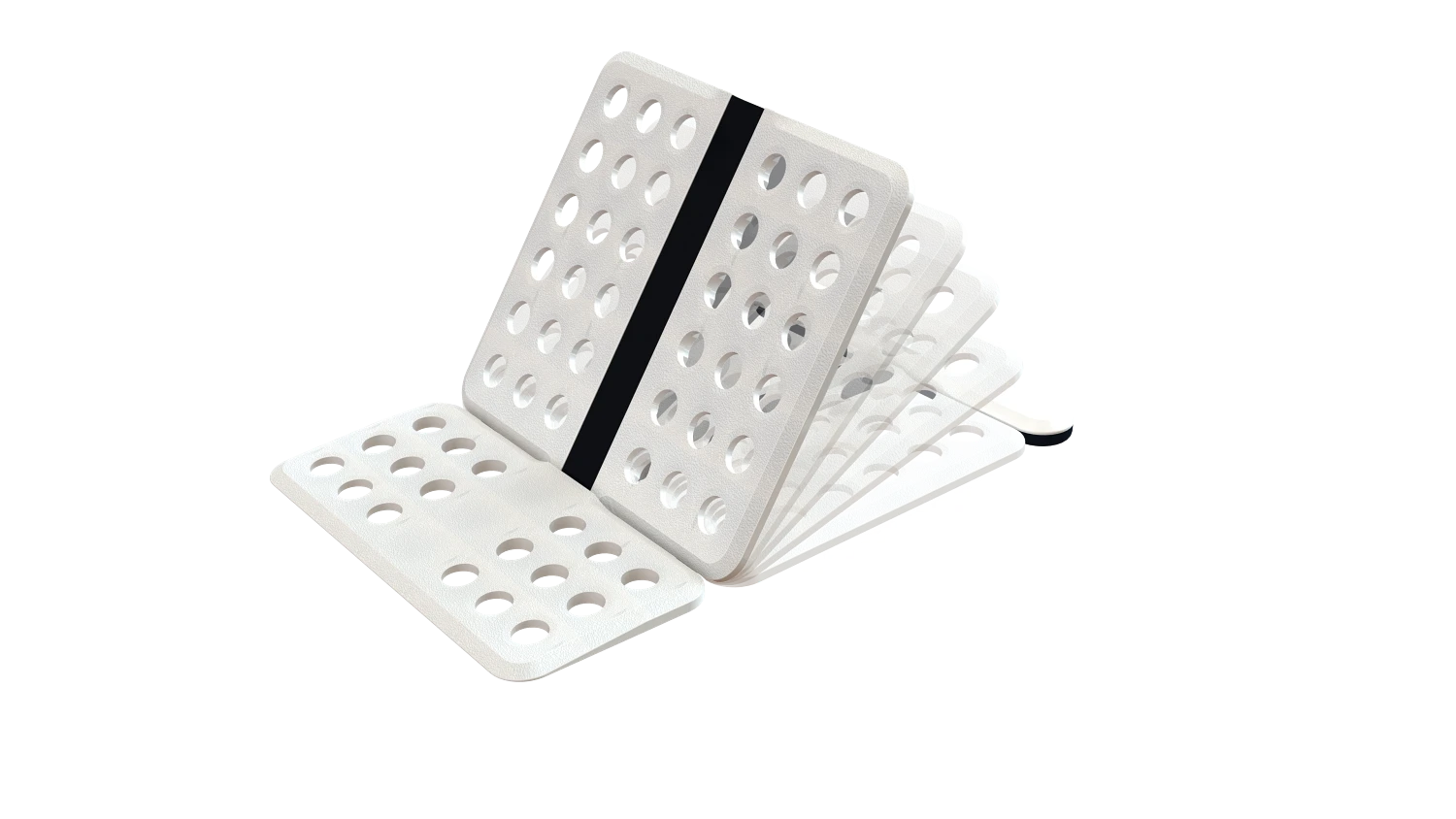
7. How does CosyLift help improve nighttime breathing?
CosyLift allows the top of the mattress to be slightly raised in a stable manner, which:
- promotes freer breathing
- supports the torso without causing tension
- avoids stacking pillows
- maintains a regular posture throughout the night
- improves overall respiratory comfort
It’s a simple, posture-based solution for better breathing at night.
FAQs
Q: Is it normal to breathe better in a slightly elevated position?
Yes, it’s a common reaction linked to airway opening.
Q: Is it useful even without significant reflux?
Yes, especially in case of mild asthma or seasonal allergies.
Q: Do you need to sleep very upright to breathe better?
No, a gentle incline is often sufficient.
Q: Is this position comfortable all night?
Yes, if the incline is stable and well-distributed.
Q: Can you use this position only during certain periods?
Yes, it is ideal for occasional or seasonal use.