Home Post-Operative Recovery
Recovery after surgery doesn’t rely solely on rest or medical follow-up.
The bed position, the body posture, and the ease of daily movements play an essential role in comfort, fatigue, breathing, and overall feeling during convalescence.
A slightly elevated, stable, and well-supported position can transform the home recovery experience.
Why Home Recovery Deserves Special Attention
Once back home, recovery continues — often for several days or weeks.
During this period, it is common to:
- spend a lot of time in bed
- get tired quickly
- have reduced mobility
- depend more on the help of a loved one
The bed then becomes the main space for rest, recovery, and daily life.
Why Bed Position Has Such an Impact During Recovery
A standard bed is designed for sleeping, not for post-operative recovery.
Staying completely flat can:
- make sitting up difficult
- increase physical effort
- enhance fatigue
- limit autonomy
- reduce breathing comfort
Adjusting the position of the upper body profoundly changes the day’s experience.
The Role of a Slightly Elevated Upper Body Position
A posture with a slightly raised torso allows for:
- reducing the effort to sit
- facilitating position transitions
- staying comfortably semi-seated
- breathing more easily
- resting more peacefully
It’s not about sitting up straight, but naturally being supported.
Comfort Is Not a Luxury During Recovery
Prolonged discomfort often leads to:
- constant micro-adjustments
- unnecessary fatigue
- frequent awakenings
- physical and mental tension
Comfort allows the body to relax instead of constantly compensating.
Why Cushions Alone Are Usually Not Enough
Stacking cushions is a common solution, but it often causes:
- an unstable position
- progressive sagging
- tension in the neck and shoulders
- constant readjustments
What is most often missing is a stable support for the entire upper body.
Promoting Autonomy and Relieving Caregivers
A well-supported posture helps to:
- sit more easily
- stay seated without assistance
- reduce dependence on loved ones
- gradually regain confidence in movements
This improves daily life both for the recovering person and the caregivers.
Recovery Evolves Over Time
Recovery is not linear:
- the first days require more support
- mobility gradually returns
- needs change from week to week
An adaptable posture allows for accompanying this evolution without transforming the bedroom.
How CosyLift Integrates into Home Post-Operative Recovery
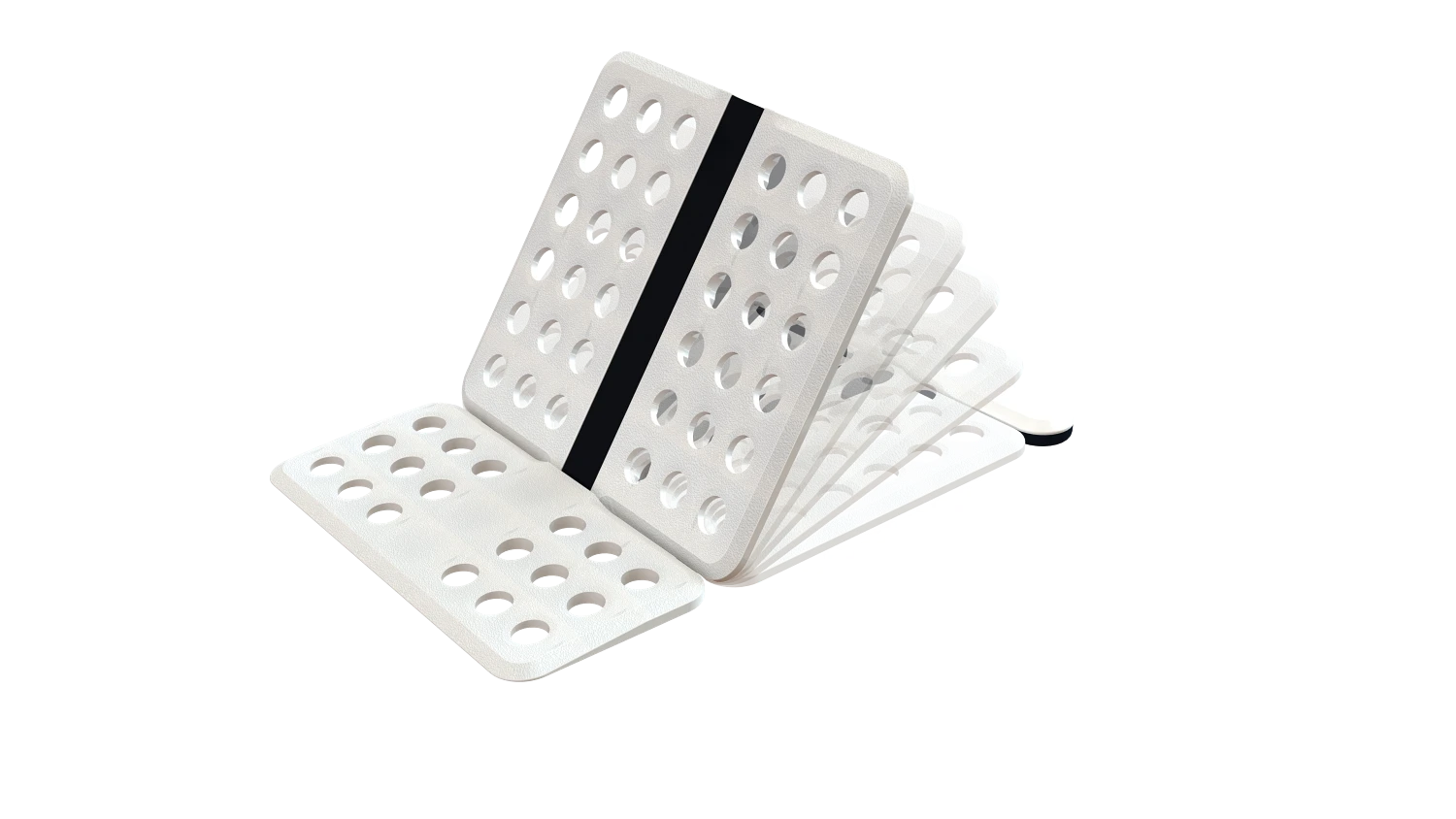
CosyLift allows for slightly raising the top of the mattress in a stable manner.
It helps to:
- create a comfortable semi-inclined position
- support the torso uniformly
- reduce daily physical effort
- improve comfort at rest and sleep
- adapt to an existing bed
- be used temporarily or longer
It is a comfort and positioning solution, designed for daily life.
Explore the Complete Series on Post-Operative Recovery
The articles below delve into each aspect of home recovery:
Understanding the Basics
- Why Bed Position Is Important After Surgery
- Why Lying Flat Complicates Recovery
- How Posture Influences Physical Recovery
- Why Comfort Becomes a Key Factor After Surgery
Movements, Autonomy, Daily Life
- How to Sit and Get Up from Bed More Easily
- Why Sitting Up in Bed Is Difficult Post-Op
- How to Reduce Physical Effort During Recovery
- Sleeping, Resting, and Eating in Bed
- Regaining a Minimum Autonomy During Convalescence
Fatigue, Breathing, Sleep
- How a Slightly Raised Position Improves Comfort
- Why Breathing Can Be More Difficult After Surgery
- Sleeping Better During Prolonged Recovery
- Why Poor Posture Amplifies Fatigue
- Reducing Discomfort Without Stacking Cushions
Setup and Support
- Setting Up a Bed for Home Recovery
- Facilitating Caregivers’ Daily Life
- Why an Adjustable Bed Is Useful Even Temporarily
- Adapting Posture Over the Weeks
Synthesis
- Improving Recovery Without Transforming the Entire Bedroom
- Electric Bed and Post-Operative Recovery: The Essentials
(Each title can be linked to its corresponding article.)
Frequently Asked Questions
Is a Medical Bed Necessary for Good Home Recovery?
No. In many cases, adjusting the posture of the existing bed is sufficient.
Does a Short Recovery Justify This Type of Solution?
Yes, the first days are often the most physically demanding.
Is a Slightly Raised Position Compatible with Sleep?
Yes, when gentle and stable, it often improves nighttime comfort.
Does This Only Concern Major Surgeries?
No. Even a minor procedure can temporarily limit mobility.
Can This Solution Be Used Only During Recovery?
Yes, it is perfectly suited for temporary use.
Conclusion
Post-operative recovery doesn’t rely solely on the passage of time, but on how the body is supported daily.
Adjusting the bed posture helps reduce effort, improve comfort, and experience convalescence at home more serenely and independently.