
1. Why does lack of sleep make breastfeeding more difficult?
After a short or restless night:
- muscles are stiffer
- pain tolerance decreases
- concentration is lower
- movements become less precise
- efforts to straighten up seem greater
The body tires much faster, especially during repeated feedings.
2. What are the most common problems after a difficult night?
Mothers often describe:
- lower back pain
- a sensitive neck
- a feeling of weakness in the arms
- tension in the shoulders
- difficulties settling in comfortably
- a constant need to readjust pillows
Lack of sleep amplifies everything.
3. How does a slightly elevated posture help when fatigued?
A gentle tilt of the mattress allows:
- settling into a semi-upright position effortlessly
- avoiding leaning towards the baby
- keeping the back better aligned
- reducing tension in the shoulders and neck
- resting the arms more easily
- reducing abrupt movements that tire more
It’s a posture that supports the body in your place.
4. What angle to choose to optimize comfort during periods of fatigue?
An angle between 10 and 20 degrees is ideal for difficult mornings (or nights).
This angle:
- supports the torso without forcing
- allows for easier breathing
- helps stay awake just long enough
- prevents slipping or sagging
- reduces overall muscle effort
A stable posture is essential when energy is lacking.
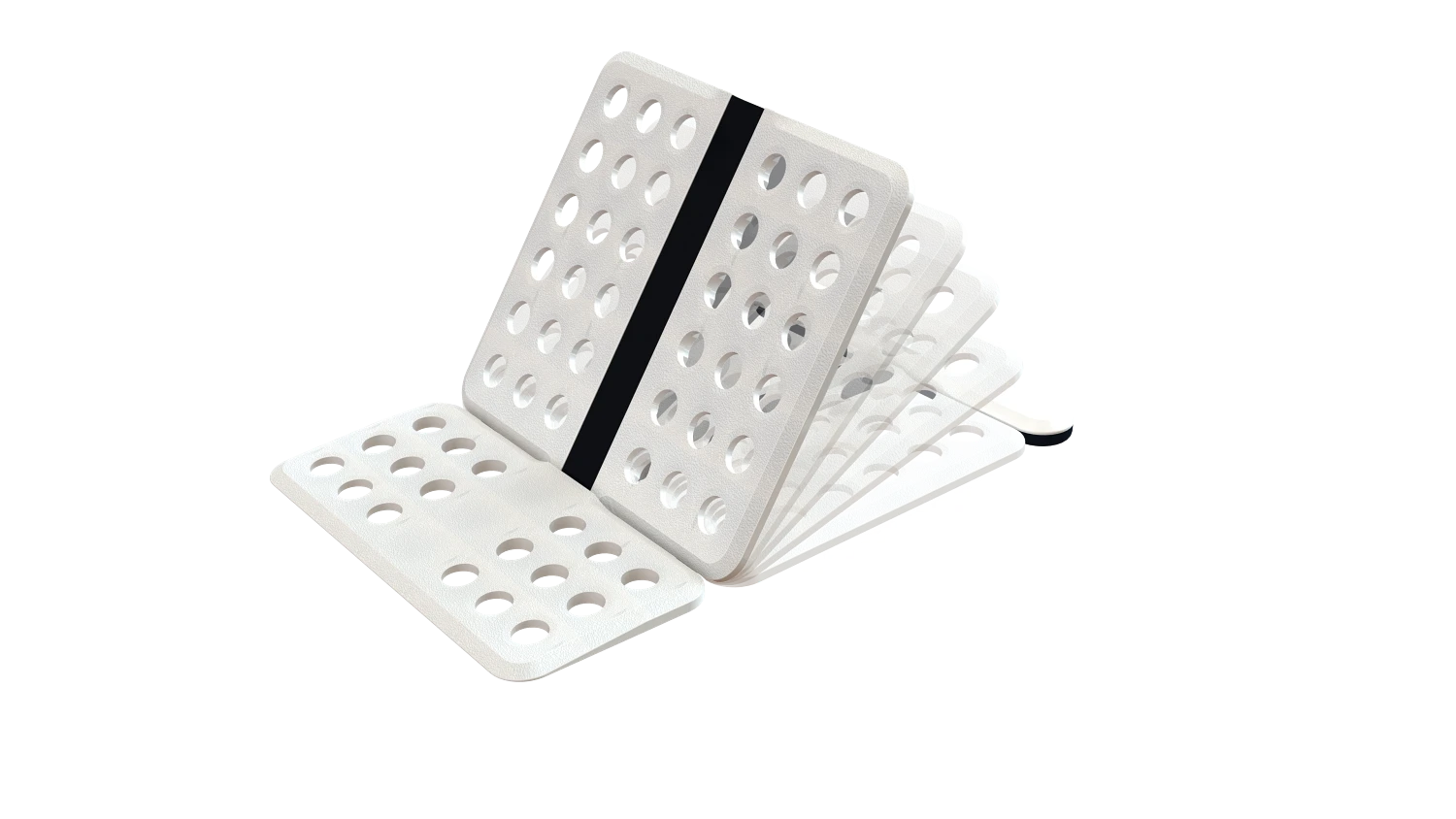
5. How does CosyLift facilitate breastfeeding after a bad night?
CosyLift allows you to raise the mattress quickly and quietly.
It helps to:
- immediately settle into a comfortable position
- avoid unstable pillow stacks
- reduce tension in sensitive areas
- focus on the feeding rather than the posture
- fall back asleep more easily afterwards
It’s a valuable support for nights (or days) when the body is exhausted.
6. What small gestures can help when fatigue is very strong?
Some useful tips:
- keep the baby within reach to avoid leaning
- use a nursing pillow to support the arms
- drink a large glass of water upon waking
- take a few deep breaths before starting
- avoid too bright lights that wake you abruptly
These are small changes, but very effective.
7. How to avoid fatigue creating chronic tensions?
The key is consistency.
Settling into a comfortable posture at every feeding allows:
- reducing accumulated pain
- relaxing overworked muscles
- protecting the neck and lower back
- maintaining a more stable energy level
- recovering more easily during the day
A good posture provides real relief daily.
FAQs
Q: Is it normal to have even more back pain after a difficult night?
Yes, fatigue increases sensitivity and decreases muscular stability.
Q: Can a semi-sitting position replace sitting completely?
Yes, it is often gentler and more natural when fatigued.
Q: Should I avoid lying completely after a feeding?
If you experience discomfort or reflux, staying slightly elevated can help.
Q: Can I use this posture even if bottle-feeding?
Yes, it relieves the back, shoulders, and neck just as much.
Q: Is it useful if I have to breastfeed multiple times in a row at night?
Yes, the stable posture reduces the effort at each feeding.