
1. Why Do Shoulders Tense Up During Breastfeeding?
During breastfeeding, many mothers tend to:
- lean forward to bring the baby closer
- unconsciously raise their shoulders
- round the upper back
- maintain the same position for too long
This quickly causes tension in the neck, trapezius, and upper back.
These tensions are very common, especially at the start of breastfeeding when the posture is not yet natural.
2. How to Recognize Bad Shoulder Posture?
Here are some signs:
- shoulders that lift or tense
- neck pain after feeding
- feeling of stiffness in the trapezius
- feeling of being “crunched” in bed
- difficulty staying in the same position for more than a few minutes
A good posture should allow the shoulders to remain low and open.
3. How Does a Slight Mattress Elevation Relieve Shoulders?
When you are slightly inclined:
- you no longer need to lean forward
- your back is supported, preventing shoulder rolling
- your head stays in a natural alignment
- your arms can hold the baby without straining
- the rib cage opens, which relaxes the upper body
A gentle tilt creates a more correct automatic posture, even if you are tired.
4. What Angle is Ideal for Releasing Shoulders?
An angle between 10 and 20 degrees is generally perfect.
It:
- opens the chest
- supports the back
- avoids slumping
- provides space for the shoulders to relax
It’s a stable and comfortable posture, even for long feedings.
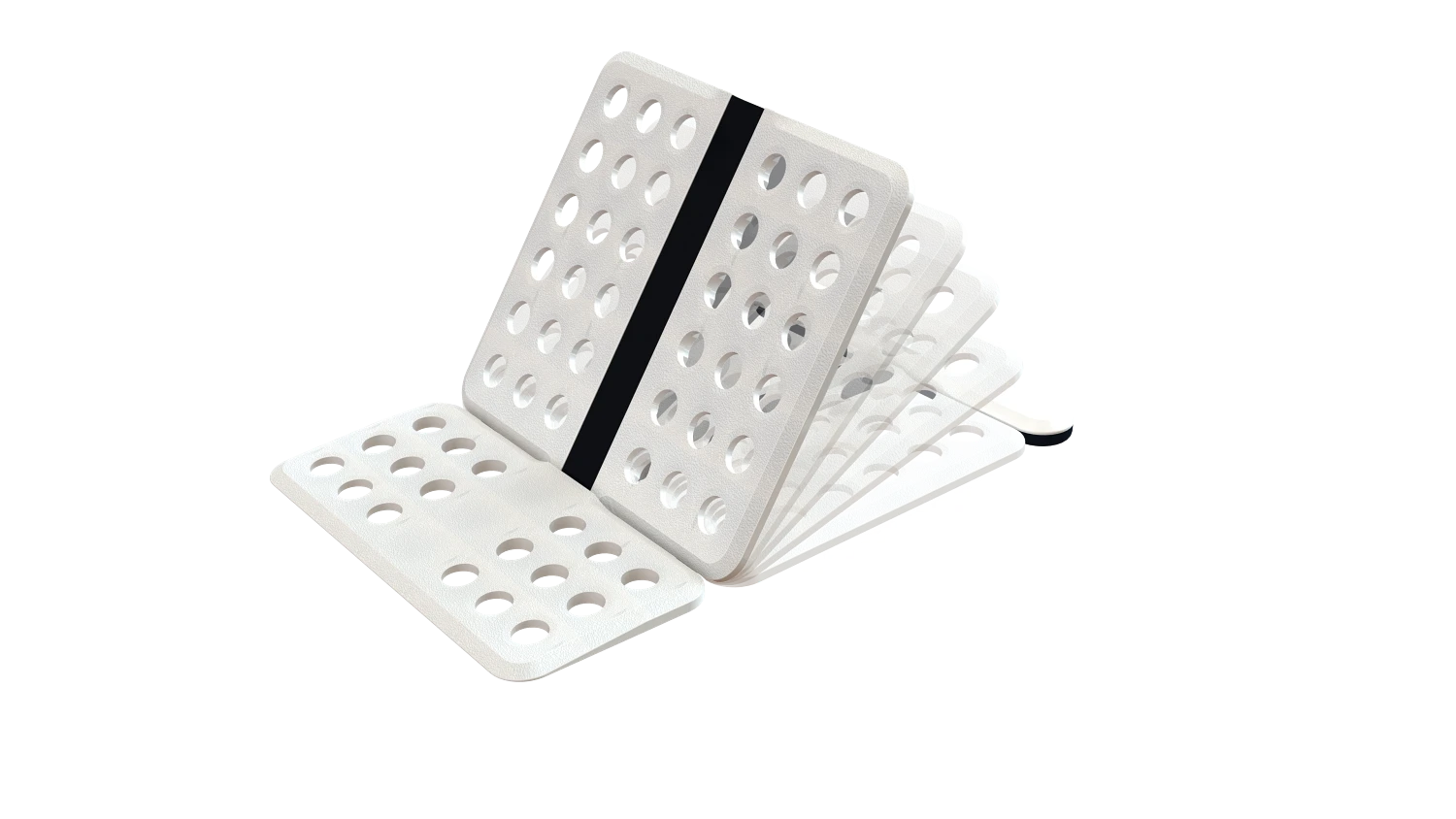
5. How Does CosyLift Help Reduce Shoulder Tensions?
CosyLift elevates the mattress evenly and adjustably.
This allows:
- to keep the shoulders naturally low
- to obtain a stable posture without effort
- to breastfeed without leaning towards the baby
- to limit neck and upper back tension
- to stay comfortable even at night or during long feeding sessions
The stability of the incline makes a big difference for the upper body muscles.
6. What Accessories Can Complement This Posture?
Some items can help even more:
- a breastfeeding pillow to keep the baby at the right height
- a small cushion under the elbows to rest the arms
- a light blanket to avoid cold shoulders (which promote tension)
But the key is the correct angle for the torso.
7. Does This Posture Help at Night Too?
Yes, particularly.
Fatigue amplifies muscle tension, and at night we don’t have the energy to correct our posture.
Being well positioned already avoids:
- shoulders that tense up
- pain upon waking
- frequent repositioning
- abrupt movements that wake the baby
This makes nighttime feedings much smoother.
FAQs
Q: Is shoulder tension normal during breastfeeding?
Yes, it’s very common. Better posture quickly reduces these tensions.
Q: Do I absolutely need to use a breastfeeding pillow?
It helps, but the mattress incline mainly supports your posture.
Q: Can I combine several cushions?
Yes, but they should support your arms, not your back.
Q: Does mattress elevation help when lying on your side?
Yes, it facilitates repositioning and reduces tension in the upper body.
Q: What if I’m bottle-feeding?
Shoulder tensions are the same, so the advice remains the same.