1. Why is it difficult to relax in bed without falling asleep?
When lying completely in a bed:
- the body naturally goes into rest mode
- breathing slows down
- muscles relax significantly
- alertness decreases
- falling asleep happens quickly
It’s pleasant but not always desired during the day.
2. Why is the bed still the main relaxation space in small homes?
In small apartments:
- there is not always a sofa
- space is limited
- the bed is already available
- we seek a simple and immediate solution
The bed thus becomes the natural place to take a break, even during the day.
3. What posture allows relaxation without sleeping?
To relax without sleeping, you need:
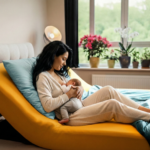
- a semi-seated position
- a slightly raised torso
- stable back support
- calm but active breathing
- a posture that prevents complete sagging
This position allows you to release tension while staying awake.
4. How does a slight incline of the bed help you stay awake?
By raising the top of the bed:
- the body doesn’t go into sleep position
- breathing remains more dynamic
- alertness is easier to maintain
- the gaze naturally looks forward
- relaxation becomes conscious and controlled
It’s an ideal position for reading, listening to a podcast, or watching an episode.
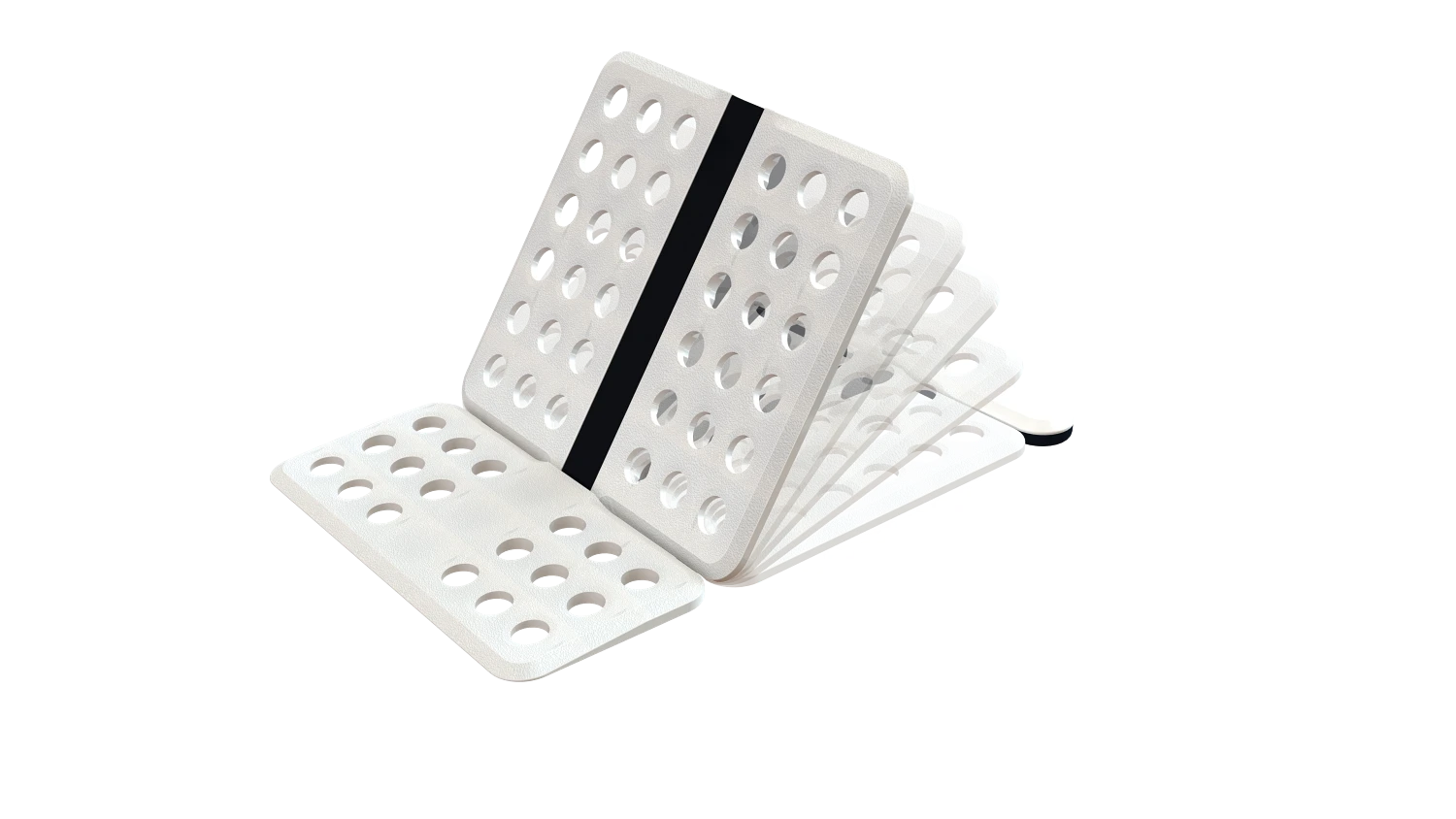
5. How does CosyLift transform the bed into a daytime relaxation space?
CosyLift creates a stable mattress incline, allowing:
- to relax without lying completely down
- to read or watch a screen comfortably
- to take a real break without falling asleep
- to maintain a pleasant posture over time
- to easily switch to sleep later if needed
The bed becomes a versatile space, not only for nighttime.
6. What angle is ideal for daytime relaxation?
An angle between 10 and 15 degrees is perfect for:
- staying relaxed
- avoiding falling asleep
- supporting the back
- maintaining a natural posture
This angle promotes light and controlled relaxation.
7. At what times is this posture most useful?
It is particularly appreciated:
- during a work break
- between classes
- in the afternoon
- on telework days
- when lacking a dedicated living room space
It’s a simple solution to better manage energy in a small space.
FAQs
Q: Does this posture really help prevent falling asleep?
Yes, because the body stays in a semi-active position.
Q: Does this also work for short naps?
Yes, if you want a micro-nap, the incline can be slightly reduced.
Q: Is it comfortable even without cushions?
Yes, the mattress incline is sufficient in most cases.
Q: Can I use this posture to watch videos or read?
Yes, that’s exactly one of the main uses.
Q: Is it easy to switch to sleep mode afterward?
Yes, just flatten the bed.