1. Why Do Respiratory Symptoms Intensify at Night?
At night, several factors combine:
- respiratory muscles relax
- breathing becomes slower
- airways are more sensitive
- the body remains still for a long time
These conditions can make respiratory symptoms more noticeable.
2. What Is the Connection Between Lying Down and Respiratory Discomfort?
In a completely lying position:
- the chest may feel more compressed
- airways are less clear
- breathing may become more shallow
- the effort of breathing is more noticeable
This posture can enhance the feeling of tightness.
3. How Can Reflux Influence Asthma Symptoms?
Nocturnal reflux can:
- irritate the throat
- trigger a reflex cough
- increase airway sensitivity
- cause indirect respiratory discomfort
Even if subtle, reflux can play an aggravating role.
4. Why Do Symptoms Often Appear in a Flat Position?
Sleeping flat promotes:
- acid reflux
- irritation of the airways
- less fluid breathing
- a prolonged feeling of discomfort
The combination of reflux + posture can amplify nighttime symptoms.
5. How Can a Slightly Elevated Position Help?
By gently raising the upper body:
- breathing becomes freer
- pressure on the chest decreases
- airways remain more open
- reflux-related irritation is often reduced
This posture can improve respiratory comfort during the night.
6. Why Is Posture Stability Essential?
For the effect to last:
- the posture must be maintained all night
- the incline should not sag
- support must cover the entire torso
An unstable position can quickly lose its effectiveness.
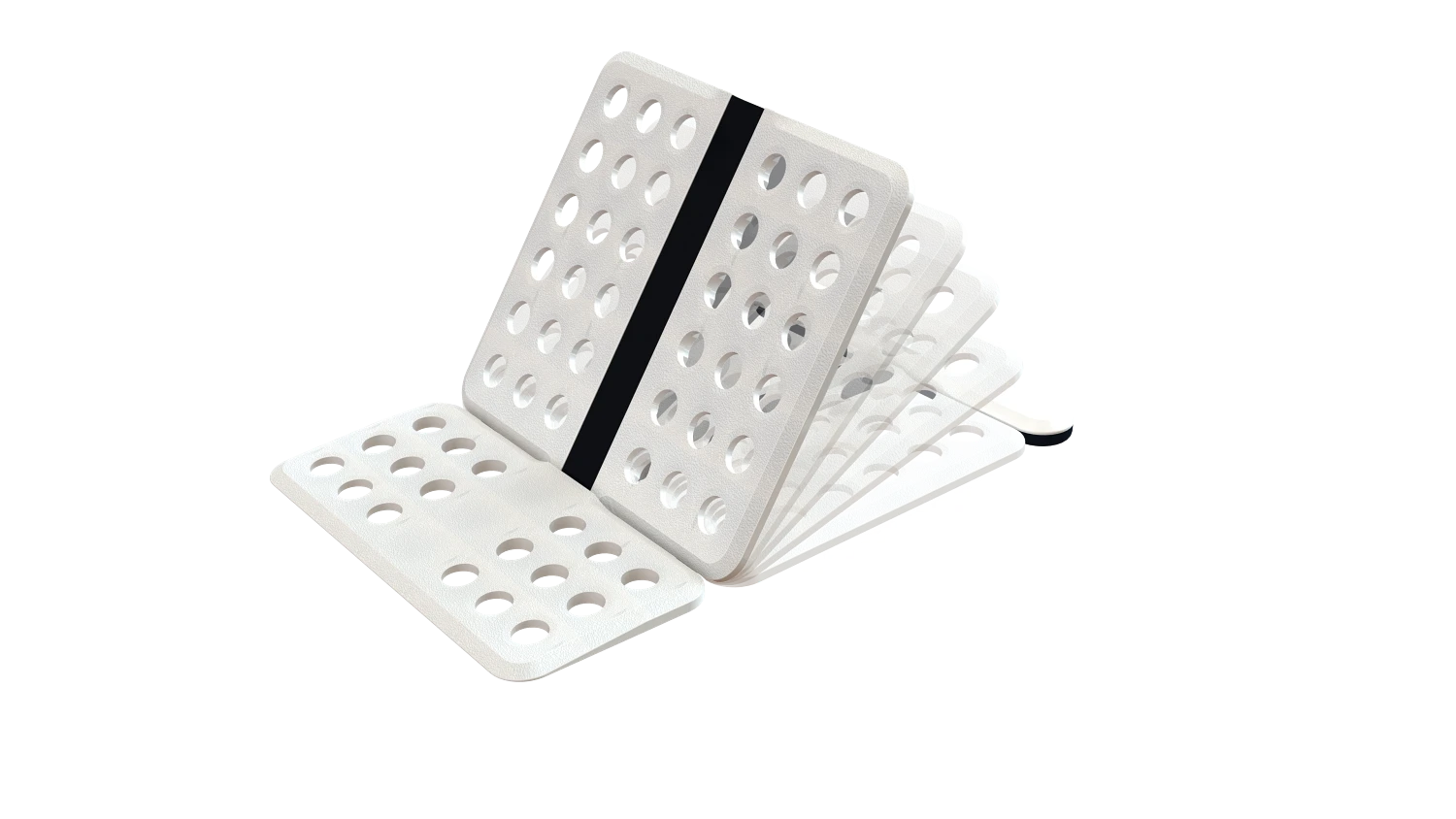
7. How Does CosyLift Help Improve Nighttime Respiratory Comfort?
CosyLift allows for a slight, stable elevation of the top of the mattress, which:
- supports a more comfortable respiratory posture
- reduces the impact of nocturnal reflux
- avoids the use of unstable pillows
- maintains a consistent incline
- promotes a more serene sleep
It is a simple solution to aid nighttime breathing.
FAQs
Q: Is it normal for asthma to seem worse at night?
Yes, it’s very common and related to posture and body relaxation.
Q: Can reflux really influence nighttime asthma?
Yes, throat irritation can accentuate symptoms.
Q: Do I need to sleep almost sitting to feel better?
No, a slight incline often suffices.
Q: Is it useful even if asthma is mild?
Yes, especially if symptoms appear mostly at night.
Q: Is this posture suitable for daily use?
Yes, it can be used every night if necessary.