1. Why does posture become central in the post-operative phase?
After an operation, the body:
- needs prolonged rest
- is more sensitive to tension
- recovers gradually
- tolerates poor positions less
Posture is no longer trivial: it acts continuously, even without movement.
2. What happens when posture is not suitable?
Inappropriate posture can lead to:
- a feeling of stiffness
- unnecessary muscle tension
- increased fatigue
- difficulty changing position
- discomfort that persists over time
These effects can slow down perceived recovery.
3. Why does posture influence daily physical effort?
Every daily gesture—standing up, sitting down, turning—depends on:
- the angle of the body
- weight distribution
- chest support
- position stability
An appropriate posture reduces the effort required for each movement.
4. How does a slightly elevated posture support the body?
A position with the upper body slightly elevated allows:
- to relieve certain sensitive areas
- to reduce tension in the back and shoulders
- to facilitate transitions between positions
- to remain more relaxed at rest
The body is supported rather than strained.
5. Why can staying flat increase fatigue?
In a completely lying down position:
- getting up requires more energy
- movements are more demanding
- the body has to compensate more
Over several days or weeks, this cumulative fatigue can affect recovery.
6. How does posture influence respiratory comfort?
After surgery, breathing can be more sensitive.
An appropriate posture:
- frees the chest
- facilitates deeper breathing
- reduces the feeling of oppression
- contributes to a more serene rest
Respiratory comfort directly contributes to overall recovery.
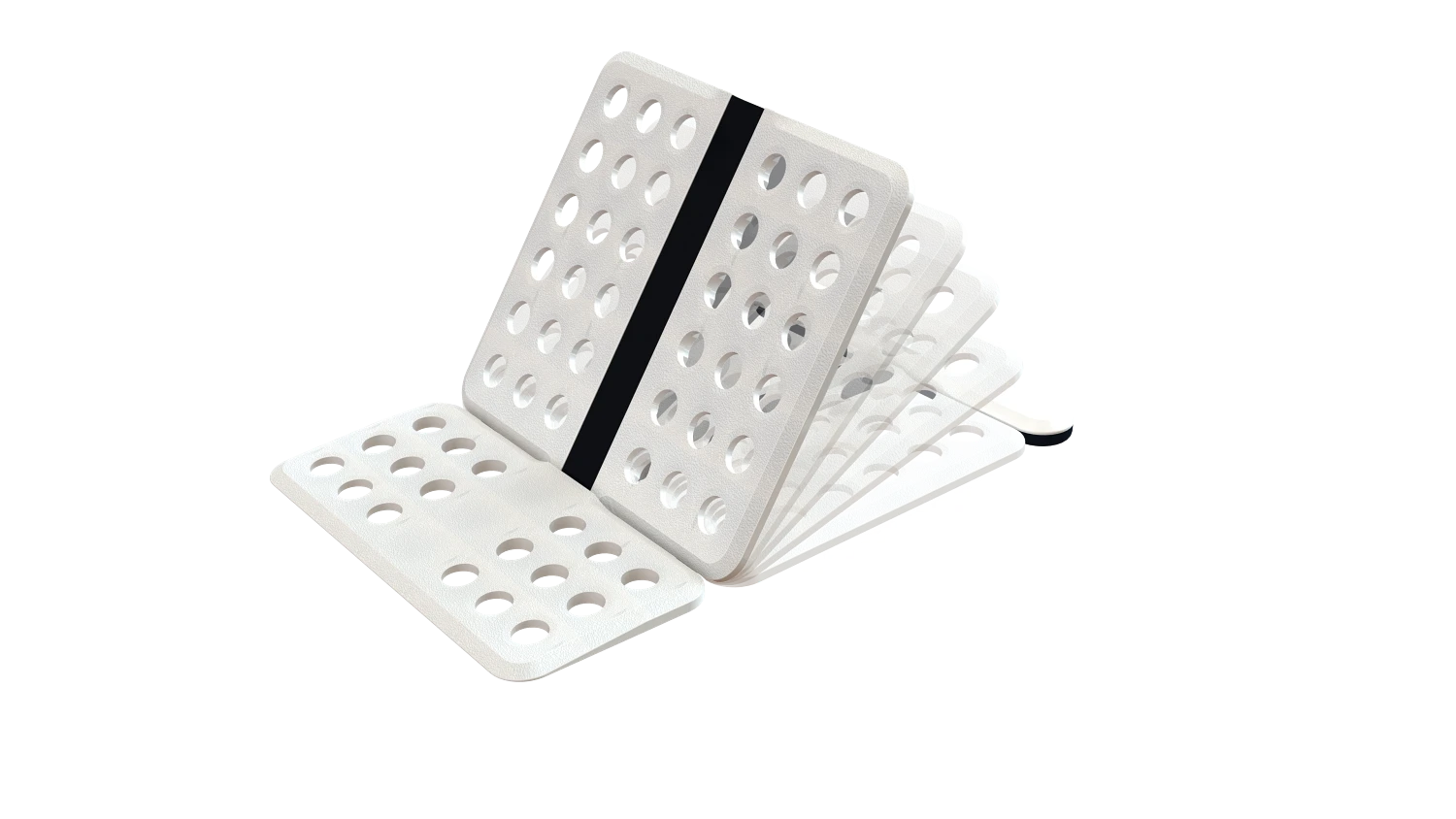
7. How does CosyLift help maintain a posture favorable to recovery?
CosyLift allows the upper mattress to be slightly elevated in a stable manner, which:
- supports the chest along its entire length
- reduces tension related to poor posture
- facilitates daily movements
- avoids makeshift solutions
- allows position adjustment according to recovery progress
It’s a discreet but constant support during convalescence.
FAQs
Q: Can posture really influence recovery?
Yes, especially when the body spends a lot of time at rest.
Q: Is it useful even if I move little after the operation?
Yes, precisely because posture acts even without movement.
Q: Do you need to be strongly upright to feel an effect?
No, a slight incline is often enough.
Q: Can posture change over the days?
Yes, the position can evolve with the body’s needs.
Q: Is this a solution suitable for temporary recovery?
Yes, it is ideal for a limited convalescence phase.