1. Why is autonomy so important in the post-operative phase?
During recovery, autonomy allows to:
- preserve dignity
- reduce frustration
- limit dependency on others
- gradually regain confidence in one’s body
Even small daily victories have a significant impact.
2. Which daily activities become difficult after surgery?
Depending on the type of intervention, it may be difficult to:
- sit up by oneself
- sit comfortably
- eat without assistance
- grab objects
- change positions without effort
These limitations are often temporary but burdensome on a daily basis.
3. Why does bed position influence autonomy?
Bed position determines:
- the body’s angle
- ease of using the arms
- stability in a seated position
- the ability to initiate movement
An improper position forces one to ask for help more often than necessary.
4. How does an adapted posture restore freedom of movement?
A slightly elevated posture allows to:
- reach objects more easily
- sit without tiring
- eat or drink independently
- gradually sit up
These simple actions reinforce the feeling of independence.
5. Why can excessive dependency hinder recovery?
Constantly depending on a caregiver can:
- reduce motivation to move
- create a fear of movement
- diminish self-confidence
- increase mental fatigue
Promoting autonomy, even partial, supports overall recovery.
6. How to adapt the environment to foster autonomy?
Beyond the bed, it is useful to:
- keep essential items within reach
- limit unnecessary movement
- create a stable and reassuring space
But without an adapted posture, these adjustments remain limited.
7. How does CosyLift help regain autonomy during recovery?
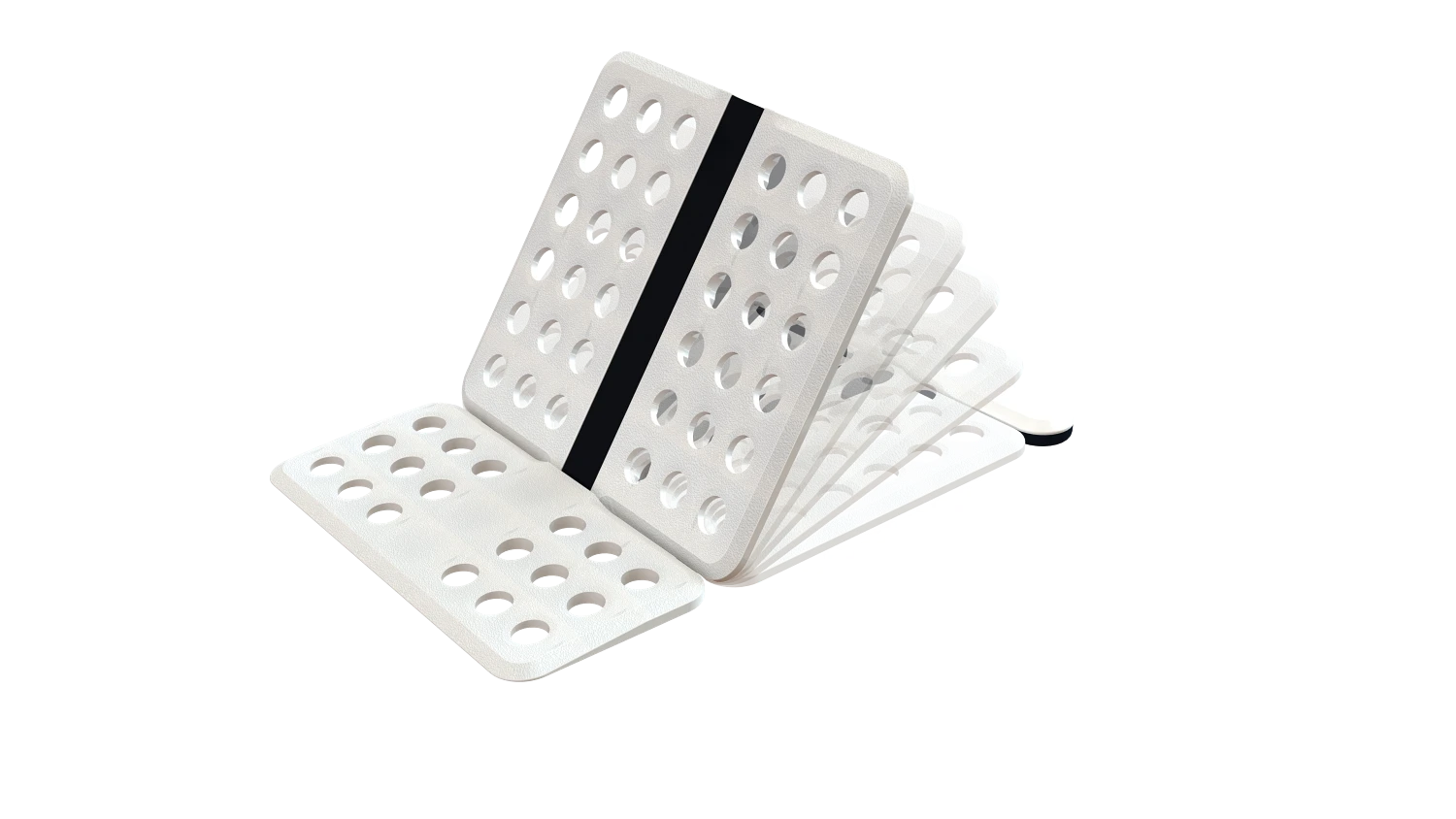
CosyLift allows to slightly elevate the top of the mattress in a stable manner, which:
- facilitates daily actions
- enables sitting without effort
- reduces the need for help to sit up
- supports the torso securely
- aids in the gradual resumption of autonomy
It is a simple support to become an active participant in your recovery.
FAQs
Q: Is it normal to feel dependent after surgery?
Yes, it is common and generally temporary.
Q: Does regaining some autonomy really help in recovery?
Yes, it supports both morale and the body.
Q: Can an adapted posture reduce the need for help?
Yes, especially for simple daily actions.
Q: Is it useful even with a caregiver present?
Yes, it also eases the caregiver’s burden.
Q: Can the level of autonomy be adapted over time?
Yes, posture can evolve with recovery.