1. Why is comfort harder to find after surgery?
In the post-operative phase, the body often faces:
- increased sensitivity
- reduced mobility
- quicker fatigue
- areas to protect
Even small postural constraints can then become uncomfortable.
2. Why is lying completely flat not always ideal?
The flat position can cause:
- a feeling of heaviness
- slight breathing difficulties
- significant effort to sit up
- fatigue related to position changes
Over time, this posture can make rest less effective.
3. How does a slightly elevated position change the sensation of comfort?
A posture with the upper body slightly elevated allows:
- better body weight distribution
- pressure reduction on certain sensitive areas
- more relaxation at rest
- less effort to change position
The body is supported without constraint.
4. Why is this position often better tolerated over time?
Unlike a very upright position, a slight incline:
- respects natural posture
- does not require muscle effort
- remains comfortable for several hours
- facilitates sleep and wakefulness
It adapts well to prolonged rest.
5. What impact does this posture have on breathing?
After surgery, breathing can be more sensitive.
A slightly elevated position:
- frees the chest
- facilitates smoother breathing
- reduces the feeling of oppression
- contributes to more serene rest
Respiratory comfort plays an important role in recovery.
6. Why is support stability essential for comfort?
Unstable support forces the body to:
- constantly readjust
- contract muscles
- remain tense
Stability allows the body to fully relax and enter true rest.
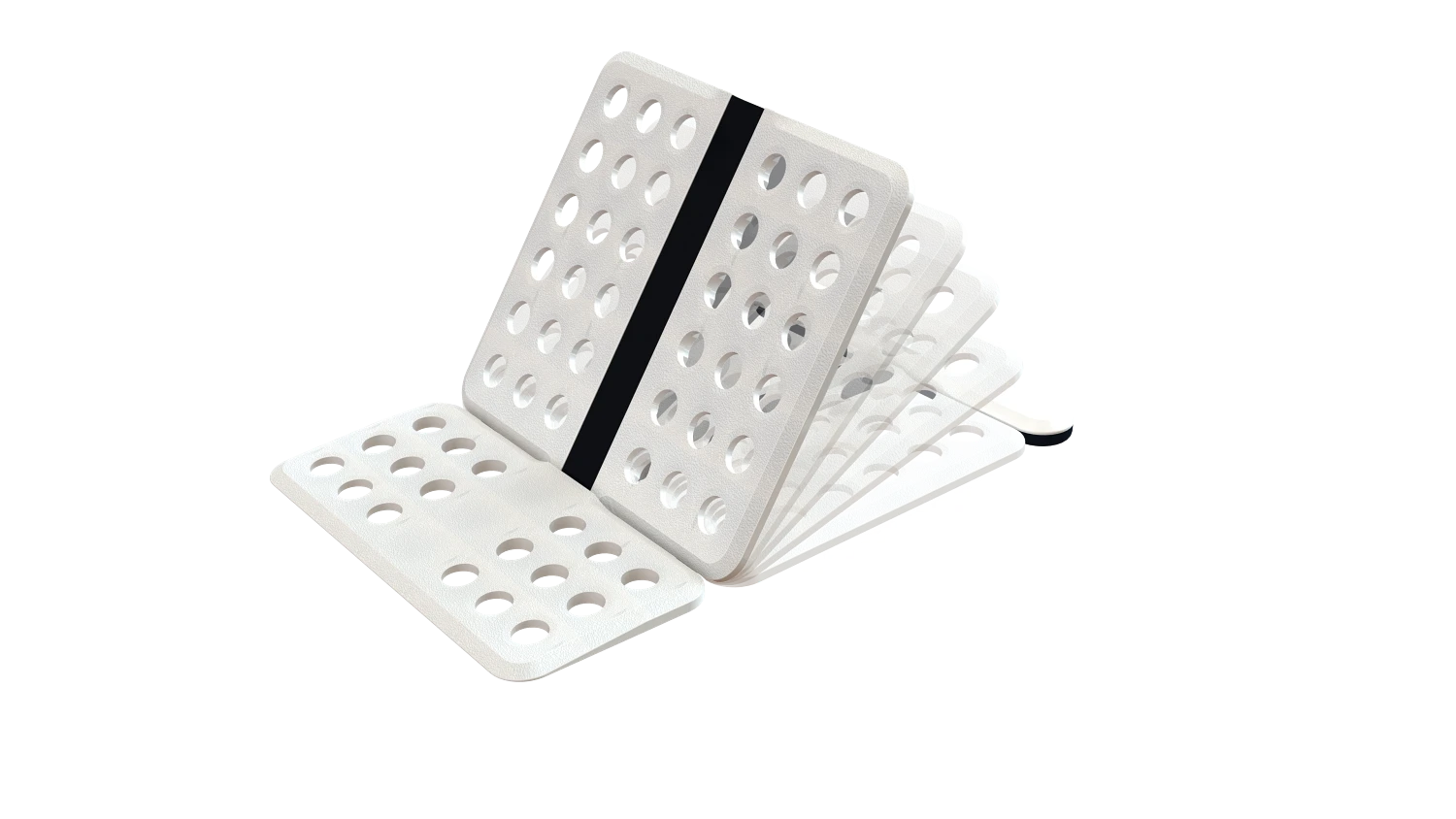
7. How does CosyLift improve daily post-operative comfort?
CosyLift allows you to slightly elevate the top of the mattress in a stable way, which:
- supports the torso evenly
- improves rest comfort
- facilitates moments of wakefulness and sleep
- avoids piling up pillows
- adapts to recovery progress
It’s a simple solution to make post-operative rest more comfortable.
FAQs
Q: Is a slightly elevated position more comfortable for everyone?
In many cases, yes, especially during prolonged rest.
Q: Do you need to be very upright to feel an effect?
No, a slight incline is often enough.
Q: Is it useful even after a minor procedure?
Yes, comfort matters from the first days.
Q: Is this position compatible with sleep?
Yes, it is designed to remain comfortable over time.
Q: Can the position be adjusted as needed?
Yes, the posture can evolve during recovery.