1. Why do needs change during recovery?
After surgery, the body goes through different phases:
- an initial phase of great fatigue
- a stabilization phase
- a gradual resumption of movements
Each phase is accompanied by different postural needs.
2. What does a short recovery look like?
During a short recovery:
- mobility returns relatively quickly
- time spent in bed gradually decreases
- discomforts are mostly present at the beginning
Even in a short duration, an adapted posture facilitates the early days, often the most demanding.
3. What does a long recovery look like?
During a longer recovery:
- the body spends a lot of time resting
- posture is maintained over several weeks
- fatigue can settle in for the long term
In this case, stability and posture adaptability become essential.
4. Why isn’t a fixed posture ideal over time?
A posture that doesn’t change can:
- become uncomfortable over time
- create tension
- no longer match the regained level of mobility
The body progresses, but the posture remains fixed.
5. How to adapt posture over the weeks?
Adapting posture consists of:
- gradually adjusting the inclination
- moving from a more supported to a more free position
- supporting the resumption of autonomy
- respecting the body’s rhythm
This evolution allows for comfort at every stage.
6. Why is flexibility a key asset for recovery?
A flexible solution allows:
- to meet current needs
- to avoid over- or under-supporting the body
- to adapt to “good” and “less good” days
Recovery is never perfectly linear.
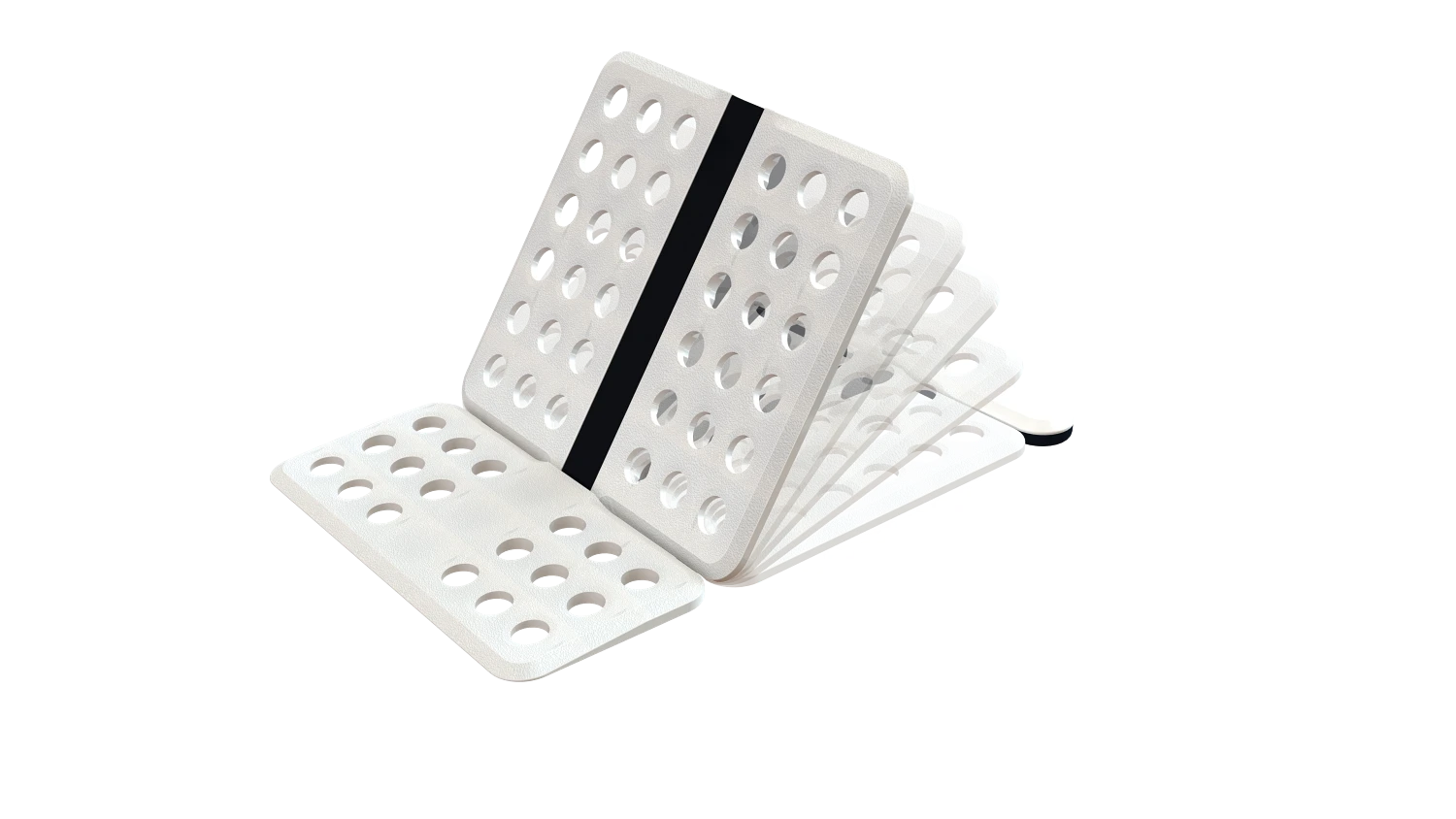
7. How does CosyLift support recovery evolution?
CosyLift allows for slight adjustments to the top of the mattress position, which:
- supports different recovery phases
- adapts to evolving mobility
- provides more or less support depending on the weeks
- avoids changing equipment
- follows the body’s natural rhythm
It’s an adaptive support, designed for all convalescence durations.
FAQs
Q: Is it normal for my needs to change during recovery?
Yes, it’s even a sign that the body is progressing.
Q: Should I keep the same posture throughout convalescence?
No, posture can evolve depending on comfort and mobility.
Q: Is an adjustable solution useful even for a short recovery?
Yes, especially during the early phases.
Q: Can support be reduced gradually?
Yes, the inclination can be decreased over the weeks.
Q: Is it compatible with a gradual resumption of activity?
Yes, posture supports this transition smoothly.