Why is the 140 cm bed so popular?
The 140 cm bed is often chosen because it:
- takes up little space
- suits one or two people
- easily fits in compact bedrooms
It’s a common compromise in small spaces.
Why is sitting more demanding than sleeping?
Sleeping and sitting put different demands on the body.
When sitting:
- the back needs continuous support
- body weight is concentrated
- balance is more important
A bed comfortable for sleeping isn’t necessarily comfortable for sitting for long periods.
Why might support be lacking on a 140 cm bed?
In certain configurations:
- support isn’t perfectly distributed
- seating can seem unbalanced
- comfort varies with position
This can make the “sofa” position less enjoyable over time.
Why do improvised solutions quickly show their limits?
Stacking cushions or propping up backrests:
- lack stability
- require constant adjustments
- strain the back and shoulders
The problem rarely comes from the mattress, but the type of support.
How to avoid unpleasant surprises?
Before searching for a solution, it’s useful to ask:
- how long one sits in bed
- if the bed replaces a sofa
- if comfort needs to be stable or occasional
These questions guide towards truly appropriate solutions.
How does CosyLift fit into this reflection?
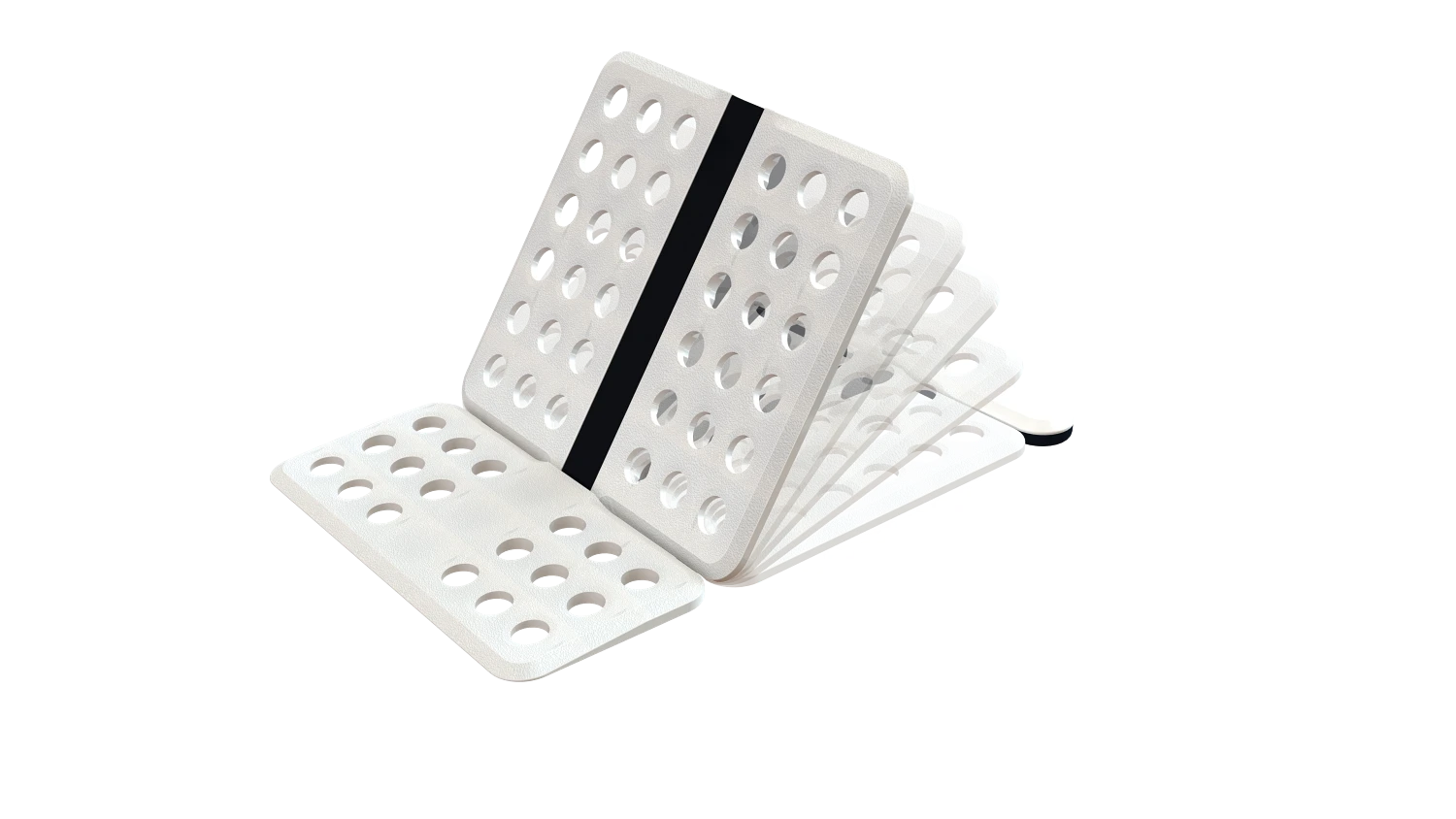
CosyLift is designed to offer stable and even support, but certain bed widths allow for a more optimal setup than others.
Understanding your space allows for an informed and satisfying choice.
FAQs
Is the 140 cm bed bad in itself?
No, but it may be less suitable for prolonged “sofa” use.
Why does comfort vary so much with width?
Because support and body balance change.